Graham Watts reviews Carlos Acosta’s Myths and Modern Masters at the Royal Opera House, as the 53-year-old dance legend proves that age has done little to diminish his extraordinary strength, versatility and stage presence.

Recently, I’ve been marvelling at the extraordinary strength of competitors in the UK Strongest Man contest (stream it on 5 to see what I mean). I doubt that Carlos Acosta could do the Farmer’s Walk or lift an Atlas Stone, but he seems even more superhuman than those gargantuan giants!
Acosta suits the description of polymath to a tee. He is a rare ballet dancer to have elevated his artistry above the esoteric world of balletomanes to achieve household fame, but he has also found time to be a poet, novelist and actor. Since 2020 he has run two dance companies, as director of Birmingham Royal Ballet and as the creator and leader of Acosta Danza, which he formed in 2016 to harness and develop young dance talent from
his Cuban homeland.
At 53, almost every other male dancer would be content to direct and/or coach other dancers but not Acosta. Lord knows how he has found the time, but his Myths and Modern Masters programme has brought Acosta the dancer back to his former home at The Royal Opera House, appearing in four of the five works on offer.
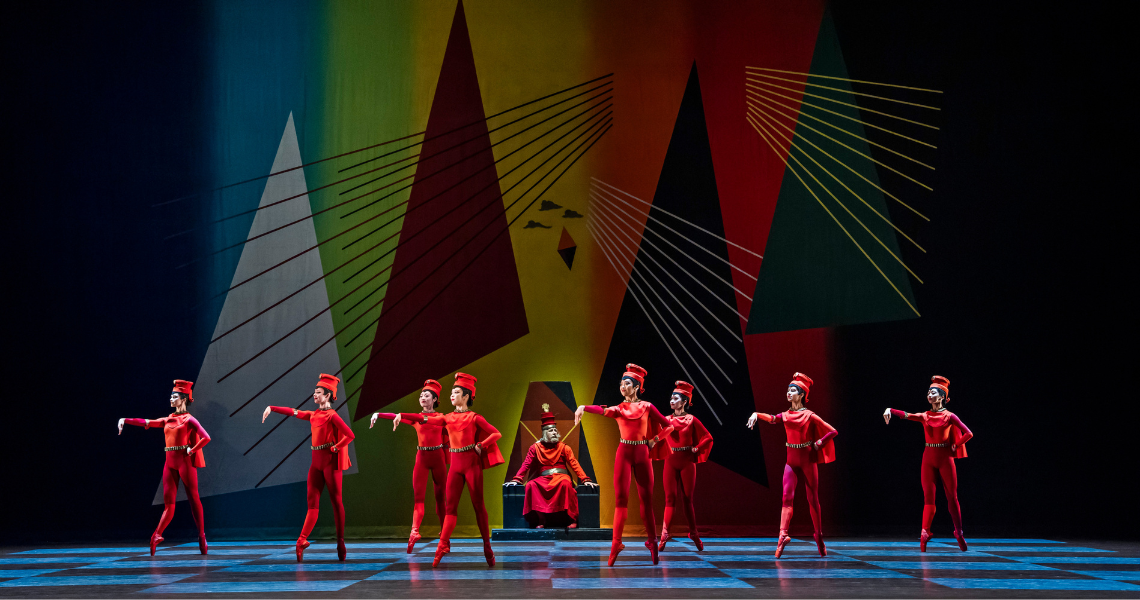
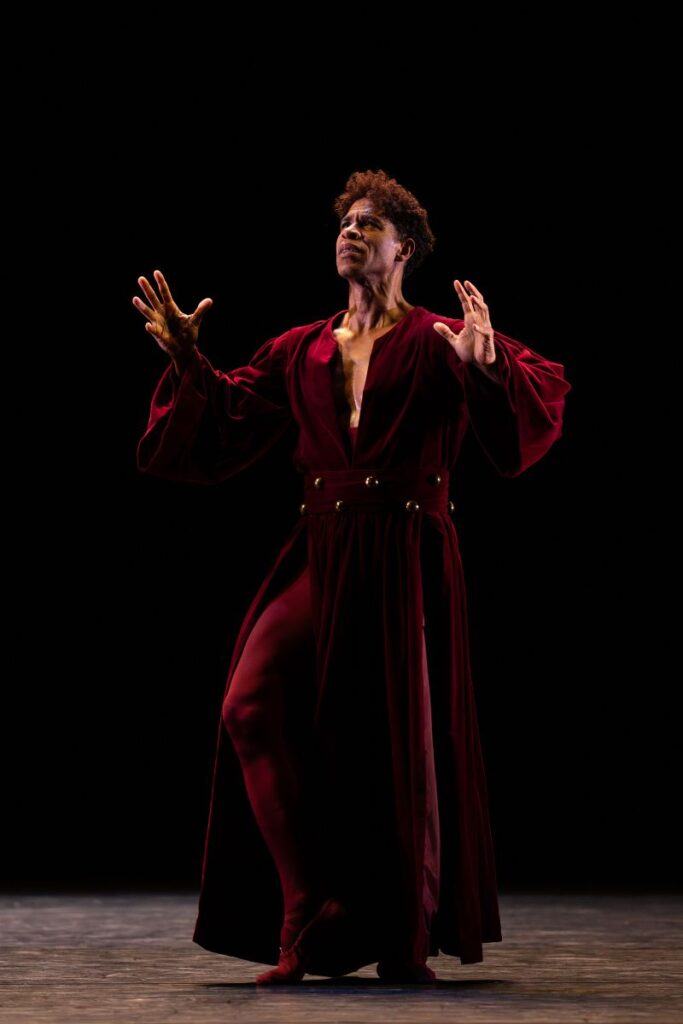
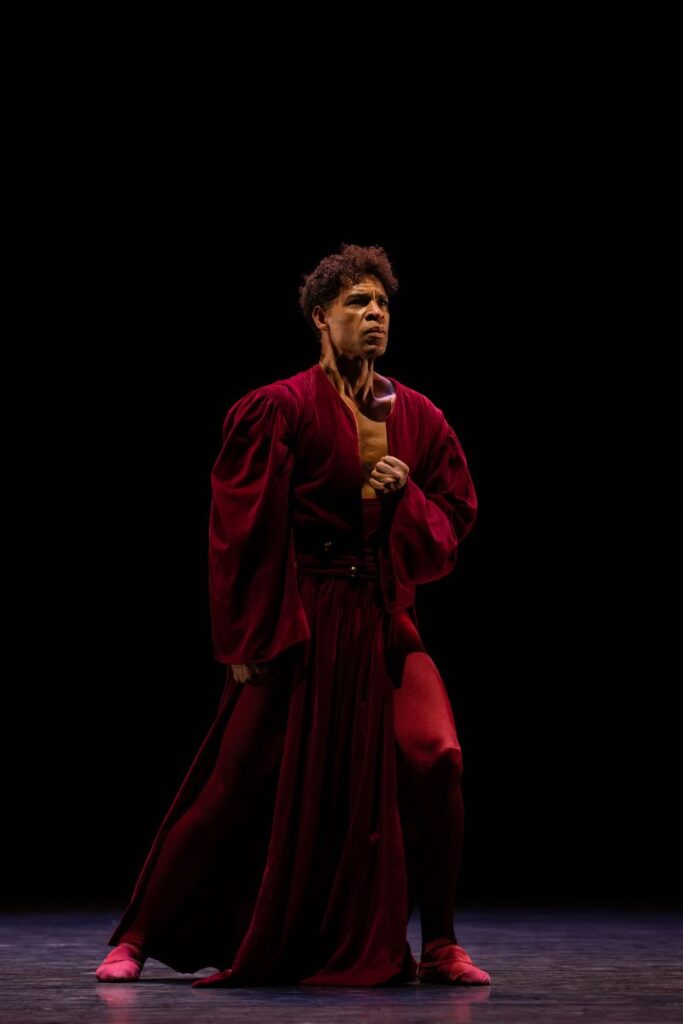
Having recently revived Kurt Jooss’ The Green Table in Birmingham, Acosta gave his audience a rare sight of another mid-century dance classic in José Limón’s The Moor’s Pavane (1949), giving its star the first opportunity in his long dance career to perform in this classic mannered work. Choreographed to music by Henry Purcell, Limón has mixed elements of sixteenth century courtly dance, including the circular, processional
movement of the pavane, with his own gestural and emotional style to create a minimalist interpretation of Othello.
Beatrice Parma exuded all the vulnerable innocence of the tragic Desdemona with Max Maslen as the duplicitous Iago, using the mislaid handkerchief to convince Acosta’s Othello of Desdemona’s infidelity. Completing Shakespeare’s foursome was Miki Mizutani as Iago’s wife, Emilia, Desdemona’s maidservant who unwittingly puts in train the events that lead to her mistress’s murder by Othello.
The Royal Opera House have been hundreds, if not thousands, of attempts to summarise Shakespeare in dance but few have come close to achieving Limón’s dramatic theatre, and this cast, powerfully led by Acosta, did full credit to the Mexican choreographer’s vision. It was a great start.
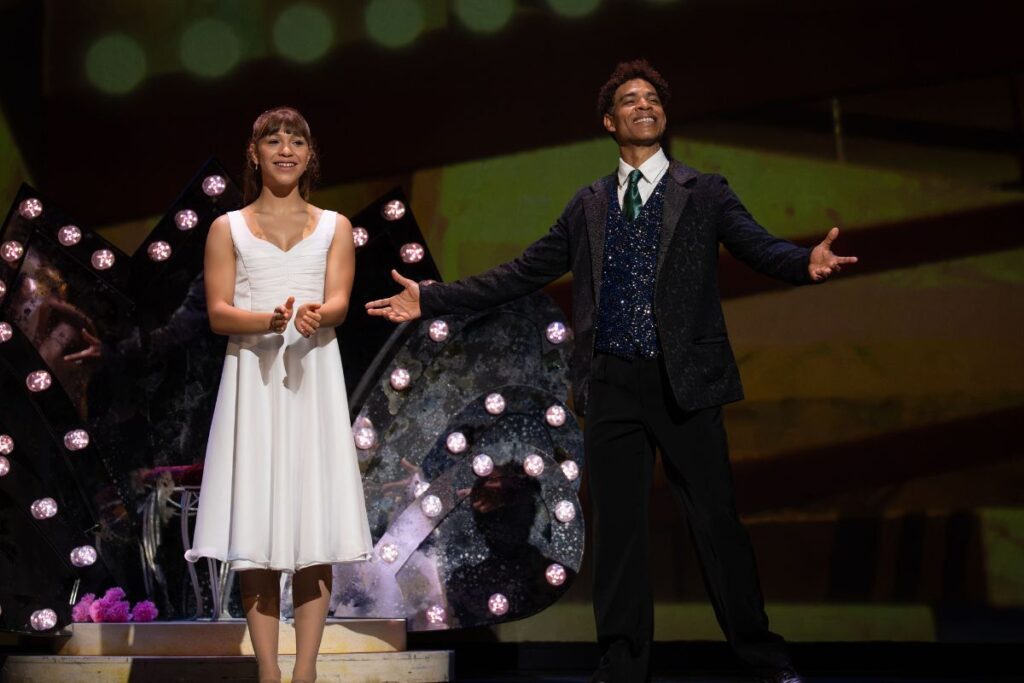
A suite of extracts from the world’s most famous Christmas ballet was incongruous in August, but the various divertissements from Acosta’s The Nutcracker in Havana brought exciting fizz to the programme. After a quick change, of style as well as costume, Parma returned to dance the grand pas de deux exquisitely with Enrique Bejarano Vidal as her princely partner. Dancers from Acosta Danza brought virtuoso excitement to the diverse national dances while Acosta, in a sparkling waistcoat, essayed the ringmaster/MC role of Drosselmeyer by accompanying his daughter, Aila Acosta Holland, as an enthusiastic and charming Clara. She seemed remarkably mature for a 14-year-old, and I wonder if this may be the beginning of an Acosta dance dynasty!
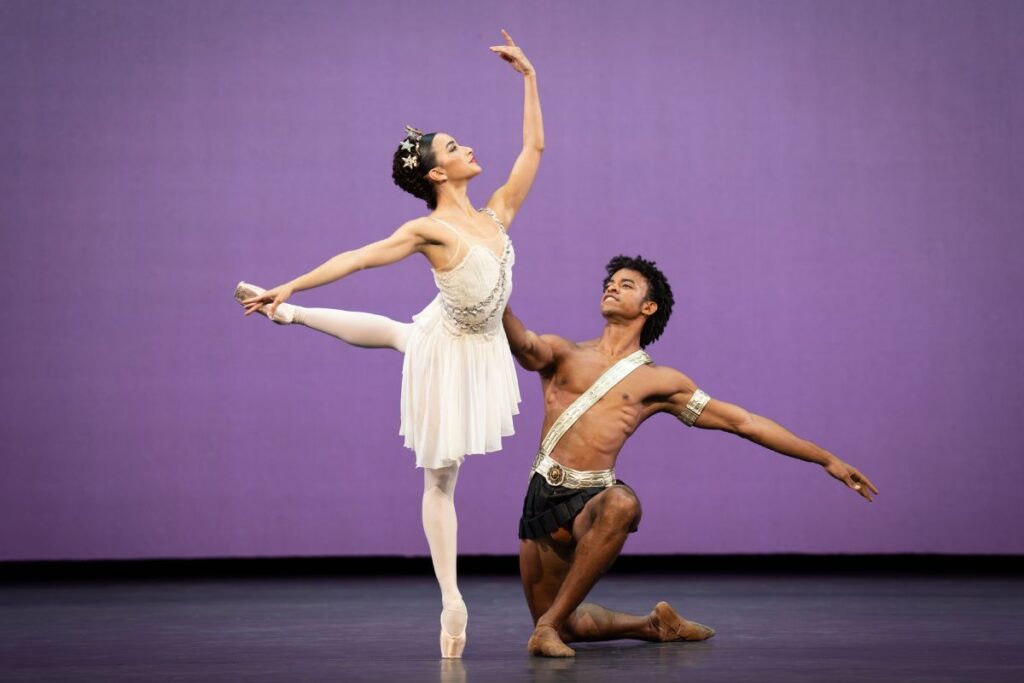
In the only work not to feature Carlos, Yasiel Hodelín Bello and Katherine Ochoa brought explosive fireworks to the Diana and Actaeon pas de deux, a veteran ballet warhorse that requires stunning virtuoso dancing and, if given the right impetus, never fails to light up an audience, as this performance did. It was followed by Nosotros, a ten-minute romantic duet created by Raúl Reinoso and Beatriz García, danced sensually by Acosta and
Amisaday Naara to a mixed piano and cello composition. Naara danced beautifully and the duet showed Acosta’s continuing strength as both an expressive dancer and an excellent partner.

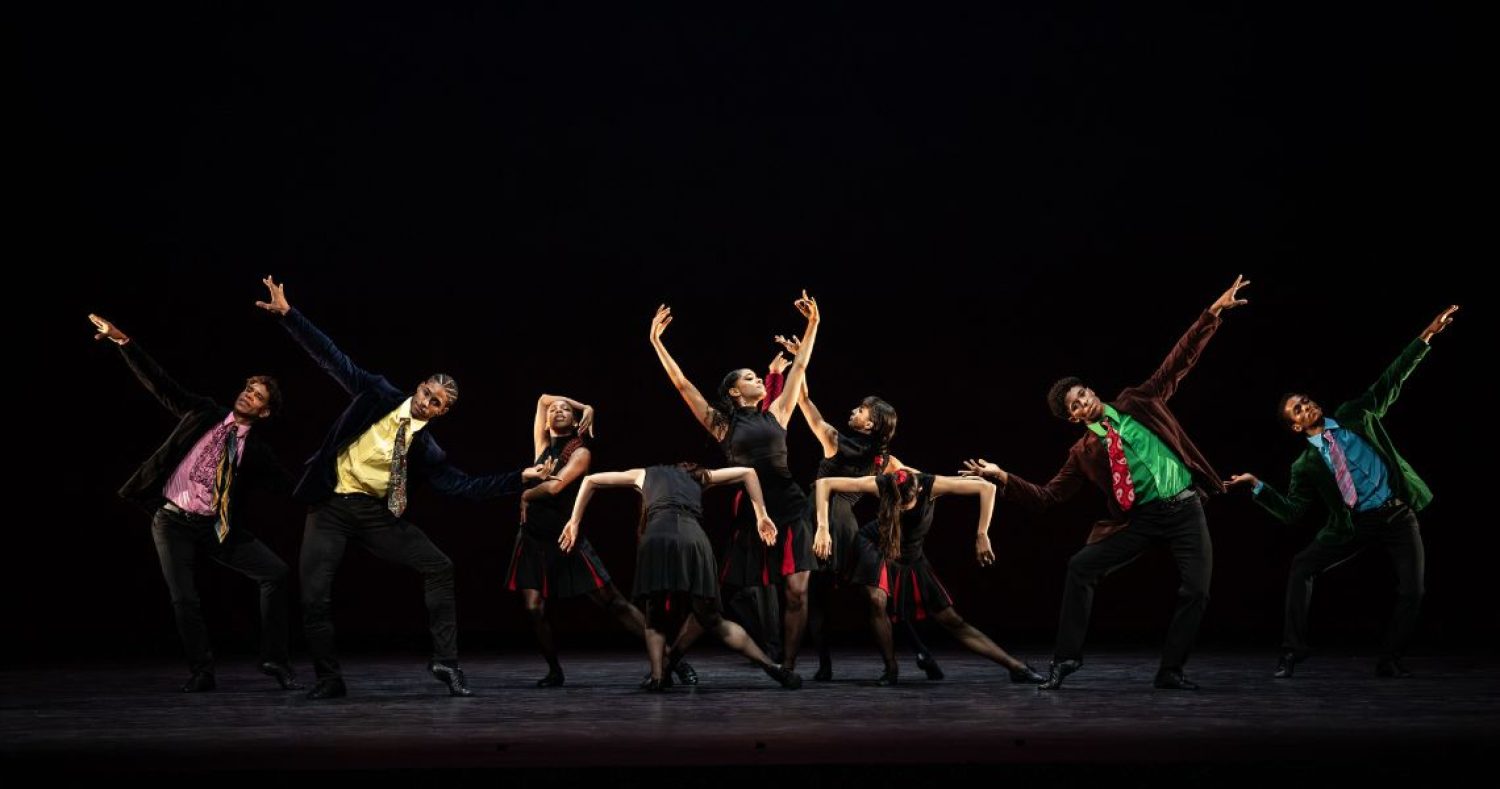
The evening ended on a high with Christopher Bruce’s Rooster, his seminal choreography to seven of the most popular songs by The Rolling Stones (Little Red Rooster, Lady Jane, Not Fade Away, Paint it Black, Ruby Tuesday, Play with Fire and Sympathy for the Devil).
With such music, the choreography has to be fast and expressive, and Bruce responded with an enduring distinction. Acosta took on the leit motif of the titular preening cockerel and he and the 14 dancers from his eponymous company exuded great fun in performing this classic work. Like The Moor’s Pavane this is superb modern dance from the twentieth century (it was made in 1991) and I will grab any chance to see it. This performance, enhanced by the special charisma of Acosta, was from the very top drawer.


This excellent programme made me wonder if there is not more than one Carlos Acosta. A 30-year-old would have had difficulty pacing their way through these diverse dance challenges and he is closing in on being twice that age. Acosta may never lift an Atlas Stone, but he is certainly amongst the very strongest of men.
Myths and Modern Masters will be showing at the Royal Opera House until 9th August 2026, tickets are available here.