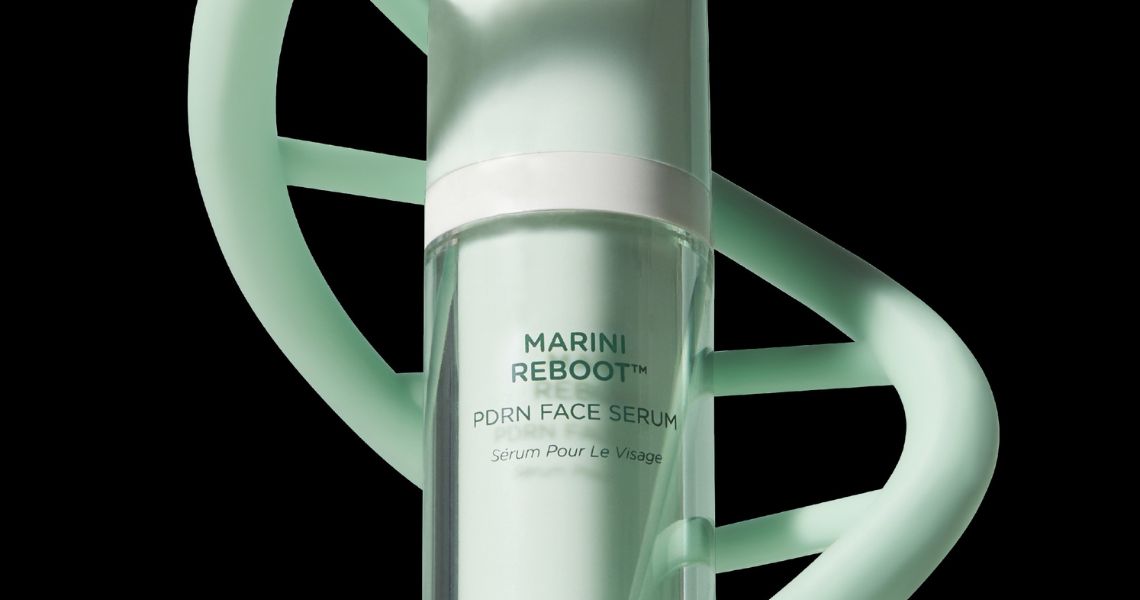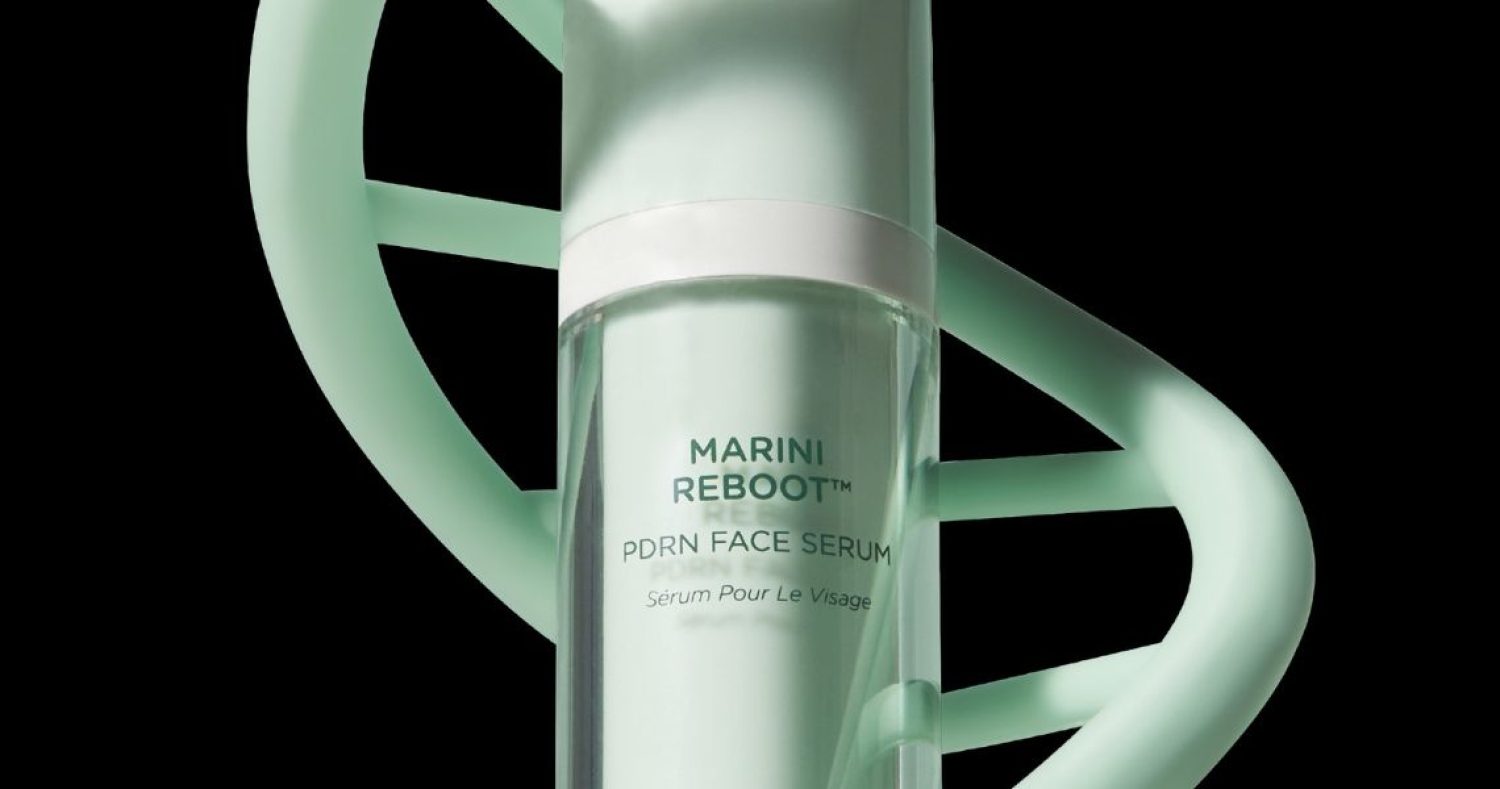
Editor-in-Chief Emmie Blower puts Marini Skin Solutions’ new PDRN Reboot serum to the test, exploring the science behind the much-talked-about salmon sperm ingredient and whether it deserves a place in your skincare routine.
I’m certainly no stranger to the world of aesthetics. I’ve been having Botox since my early 30’s and, at the ripe old age of 47, I’ve experienced a fair few developments in the industry firsthand. Having worked alongside the team at Vanity Lab London for the past six years, I’ve been fortunate enough to try some of the latest treatments, from fillers and skin boosters to HIFU, laser and LED light therapy. I was even among the early adopters of polynucleotides, better known as the infamous salmon sperm treatment, long before Kim Kardashian started singing its praises and the media went into something of a frenzy over the idea of injecting fish DNA into our faces.



Beyond the sensational headlines, though, something rather interesting was happening in the aesthetics industry. Polynucleotides were entering the conversation at a time when women were beginning to look beyond simply adding volume to ageing faces. Instead, there was growing interest in treatments designed to improve the quality of the skin itself, supporting its natural processes rather than relying entirely on fillers to compensate for the changes that come with age. As someone whose own approach to aesthetics has evolved considerably over the years, this shift towards skin health and regeneration makes complete sense to me.
So, when I was introduced to Marini Skin Solutions’ new Reboot PDRN Face Serum, retailing at £170 for 30ml, I was intrigued. Not least because I’d previously experienced polynucleotides through injectable treatments, but because I wanted to understand how similar technology could be incorporated into an everyday skincare product. And, perhaps more importantly, what exactly was I getting for £170? We’ve become accustomed to hearing the phrase science-backed skincare, but I wanted to know what the science actually involved.
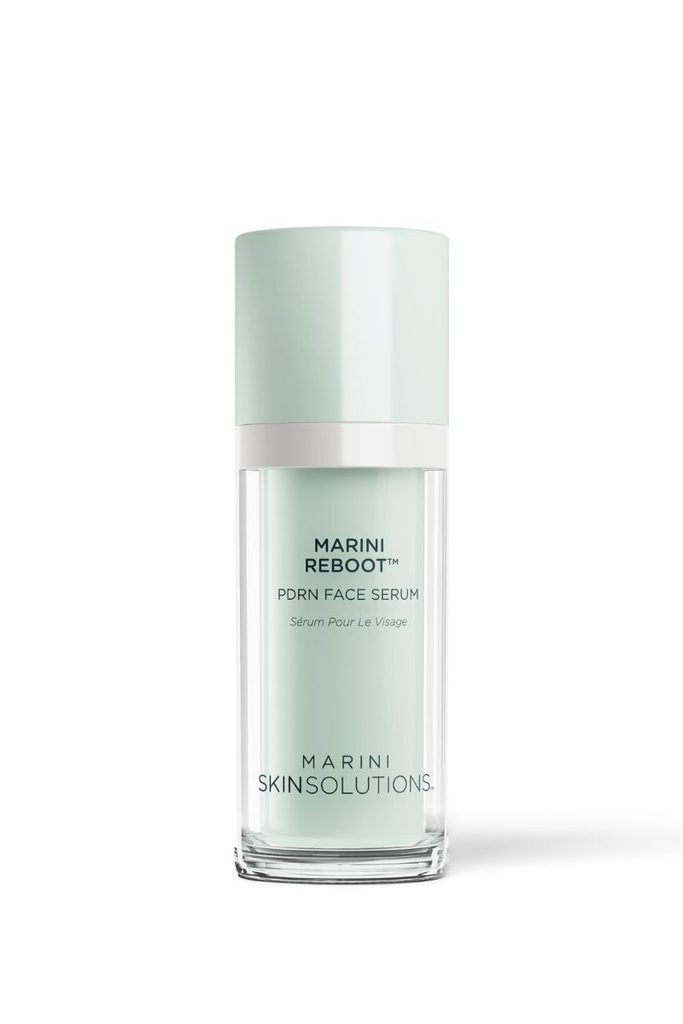

PDRN, or polydeoxyribonucleotide, consists of highly purified DNA fragments derived from salmon. Research into PDRN has explored its role in biological pathways involved in tissue repair, including those associated with fibroblasts, the cells responsible for producing collagen. Marini’s Reboot formulation combines PDRN with peptides, hyaluronic acid, ceramides and squalane to support hydration, the skin barrier and overall skin resilience. What particularly caught my attention was the brand’s clinical research. In a 12-week study involving 30 participants, Marini reported a 74% improvement in skin hydration and a 27% reduction in transepidermal water loss. While these are company-reported findings from a relatively small study, they’re certainly more meaningful to me than another beautifully packaged promise of youthful skin.
Of course, there’s an important distinction between applying PDRN topically and having it injected into the skin. Professional treatments such as microneedling create tiny channels through the skin’s surface, which can temporarily enhance the delivery of topical ingredients. For me, the appeal lies in having a formulation designed to support skin quality as part of a consistent skincare routine.
With an ablative UltraClear laser treatment approaching, preparing my skin has become particularly important. I was encouraged to begin with a professional Marini SkinSolutions facial, incorporating gentle enzyme resurfacing and targeted skincare to refresh the complexion. My skin felt noticeably cleaner and clearer immediately afterwards, and I’ve since incorporated Reboot into my daily routine with the aim of supporting my skin’s hydration and condition ahead of laser treatment. Naturally, any skincare used immediately after an ablative procedure needs to be approved by the treating clinician, but taking a more considered approach to skin preparation is something I’ve become increasingly conscious of.

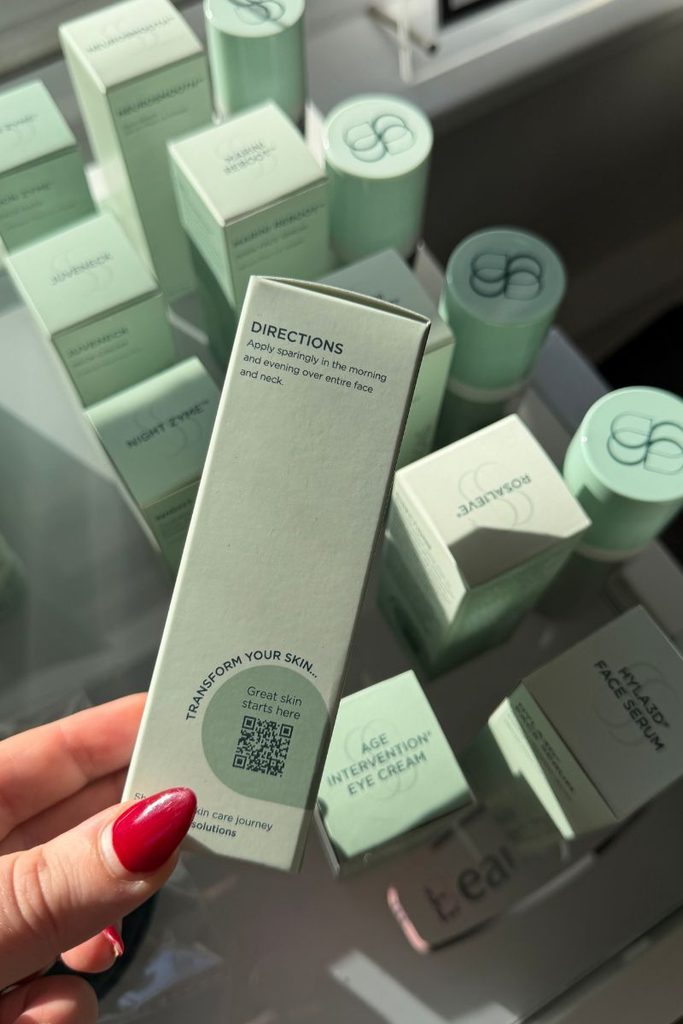
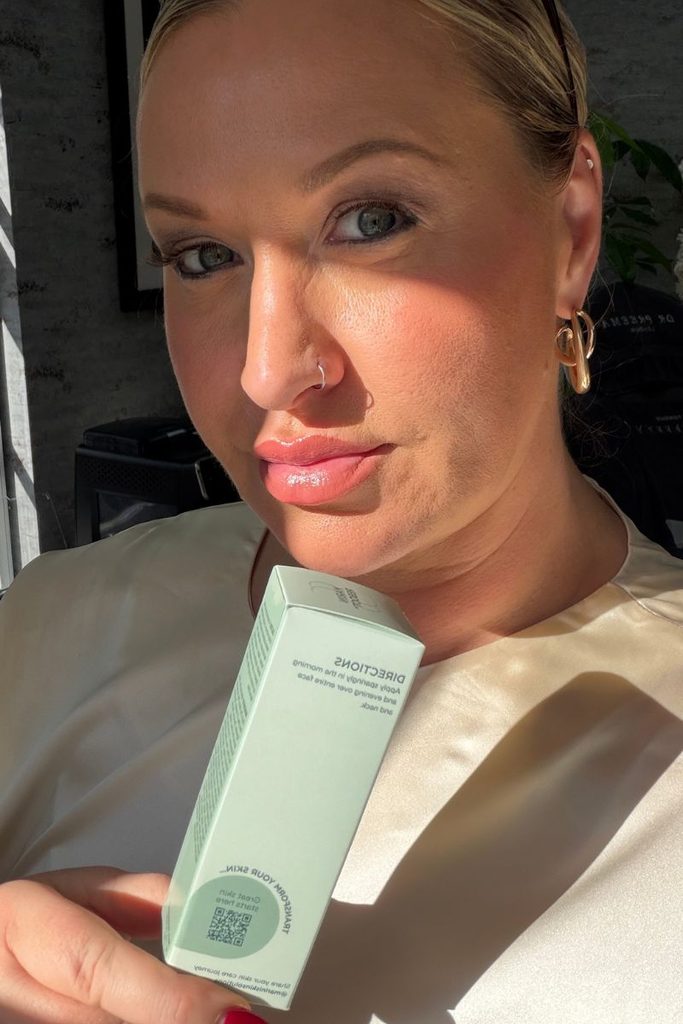
I also recently attended the official Marini Reboot launch, where I had the opportunity to speak with doctors, aesthetic nurses and skincare specialists about the salmon sperm formulation. The enthusiasm was encouraging, but what really resonated with me was the wider conversation about choosing skincare according to its ingredients, evidence and suitability for your skin rather than the number of products sitting on your bathroom shelf. A good routine doesn’t necessarily need seven elaborate steps. Cleansing, moisturising and protecting the skin provide the foundations, with carefully chosen active products added where they’re genuinely needed.
Since introducing Marini Reboot into my daily routine, I’ve noticed a lovely glow to my skin, and perhaps more tellingly, I’m reaching for my moisturiser far less often. There’s also something reassuring about knowing I’m preparing my skin ahead of my upcoming laser treatment. At 47, I want my skin to look and feel its best. And so far, Reboot is making a convincing case for becoming a permanent part of my skincare routine.
Marini Skincare is available here.