Like many women going through menopause, I’m noticing gradual changes in my hair. It has slowly become drier and brittle and has lost some of its strength. The thinning around my hairline is noticeable only to me, but it’s there. Before I accept it as part of the process, I want to understand why it’s happening and what I can do to improve it.

When Philip Kingsley Clinic in Mayfair invited me in for a hair consultation and treatment, I was keen to go and get some advice and answers for this deeply personal subject from the experts.
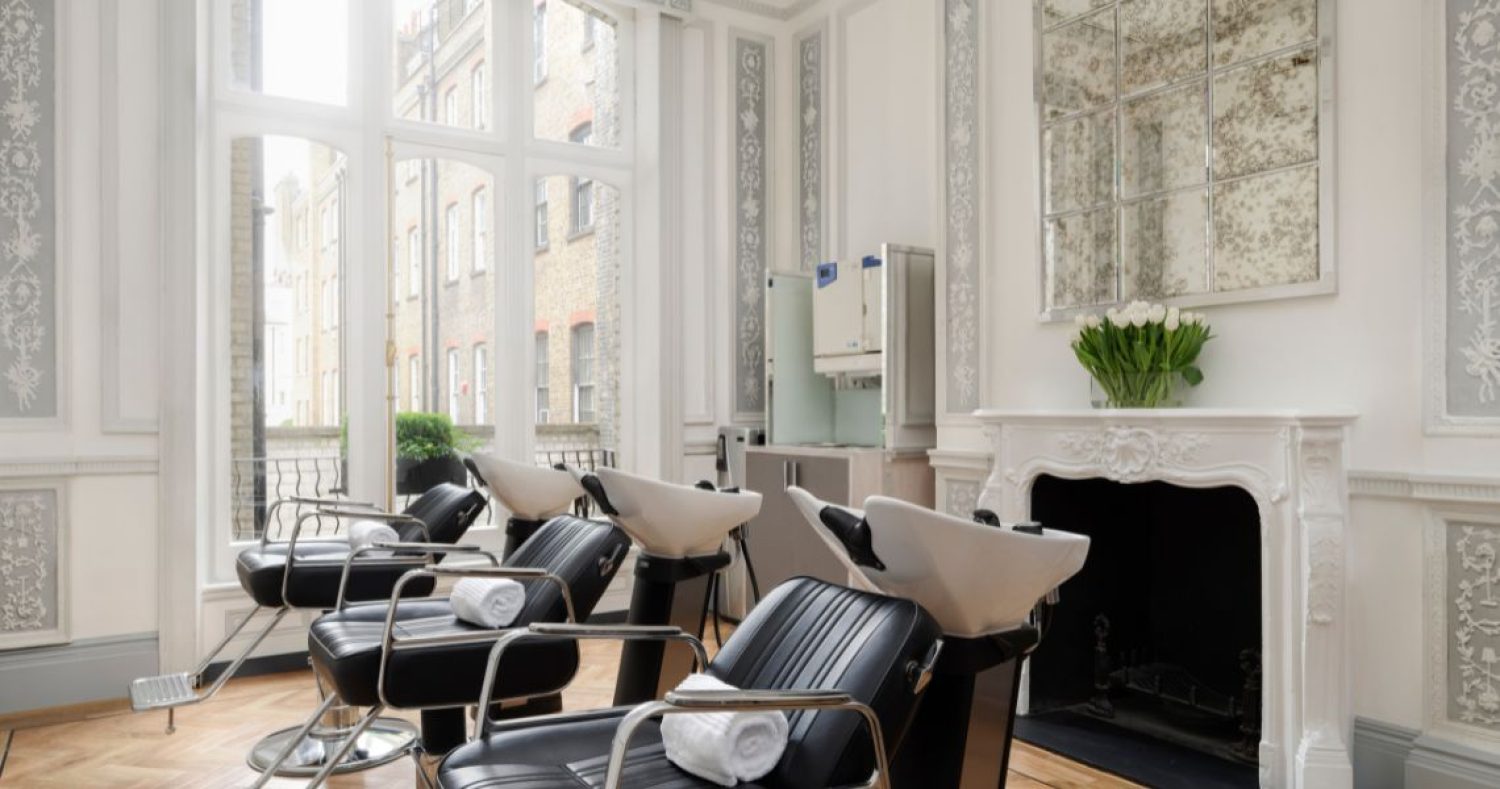
You could easily walk past the clinic and never know it was there. I hovered outside to make sure I’d arrived at the right place on this quiet Friday morning. Behind its tasteful front door is a clinic that has quietly built a reputation for hair and scalp expertise since 1957. Consultations are led by experienced Trichologists and are tailored to the individual, focusing on the causes of hair and scalp concerns such as going through menopause, rather than generic solutions.


After checking in, I was handed an iPad to complete my details and offered coffee while I waited in the elegant reception. The atmosphere is reassuringly calm and friendly rather than clinical, and put me at ease. Philip Kingsley calls its philosophy ‘Life Changing Hair’ which made me curious about what the process over the next two hours held.
My appointment began with a one-hour consultation with Ross, who has been a Trichologist since 2012. Before my visit I had been advised by email not to colour my hair for three days either side of the appointment and not to shampoo on the day. As the consultation unfolded, those instructions made more sense to me.
Ross asked detailed questions about my health, medications, supplements, diet, exercise, stress levels and any significant life events. I had arrived expecting the conversation to revolve around shampoos and treatments, but instead it focused on me and was a chance to focus on my experience of going through menopause and the affect its had on my hair.
Living alone usually means cooking for one and I know that I have a pretty poor diet which includes not eating enough protein. We discussed how nutrition, exercise and stress all influence hair health, along with the effects of product build up on the scalp. Ross also noticed that I absent-mindedly pulled and handled my hair throughout our conversation. It’s something I do whenever I feel anxious or stressed, but I had underestimated the link to the condition of my hair. It was one of those simple but significant observations that stayed with me long after the appointment.
I only wash my hair once a week with an outdated belief that washing it more frequently would strip away natural oils and make it even drier. Ross gently challenged several beliefs I had held for years, replacing them with practical, evidence based advice.
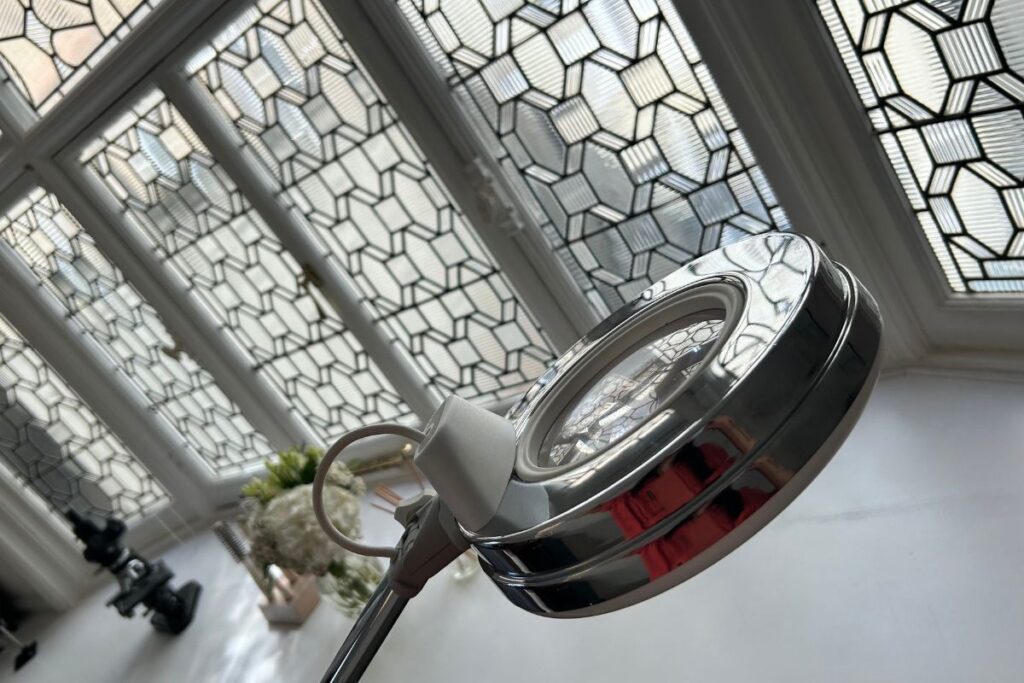
The consultation continued with a digital microscopic examination of my scalp. Images from different areas showed the hair density, follicle health and overall condition of my scalp while Ross explained exactly what we were looking at. Seeing your scalp magnified on a screen is fascinating and slightly weird, but it helps you understand what is happening in a way that words alone can’t.

For some clients, further investigations such as blood tests may be recommended to assess hormone levels, inflammatory markers or conditions including female pattern hair loss.
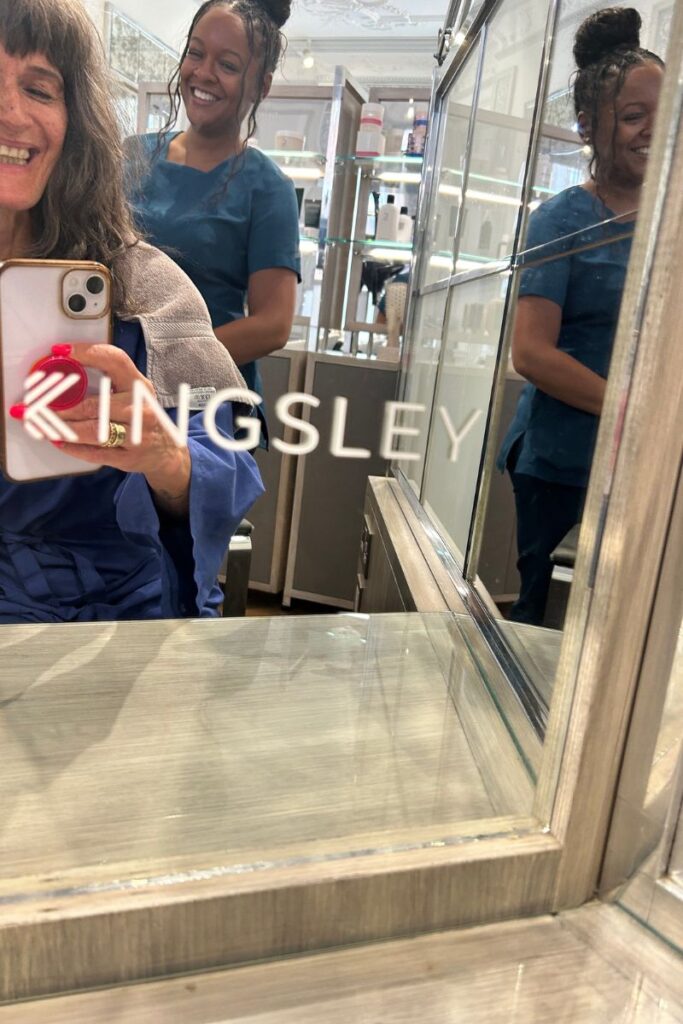
From the consultation, I moved into the Hair Spa for a bespoke treatment with Natasha, designed to address the cosmetic concerns identified during my consultation, including dryness and breakage. Before we began, she and Ross discussed my assessment together to ensure every product had been chosen for my hair, and agreed a programme.
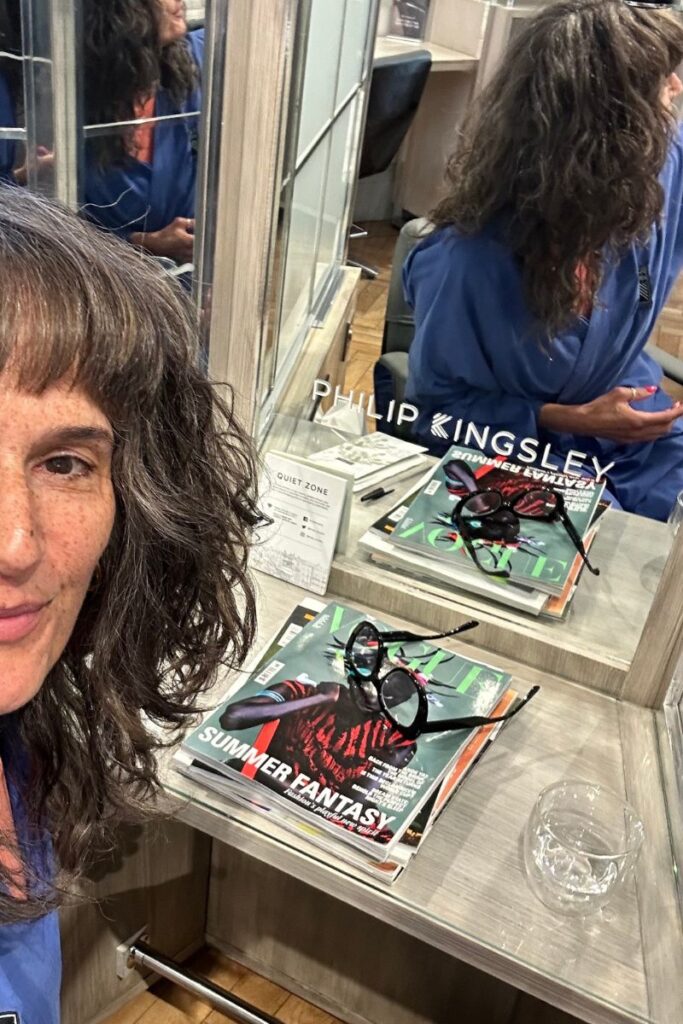
The treatment rooms are arranged as individual mirrored booths, giving every client complete privacy. Throughout my visit I barely saw anyone else, making the whole experience feel calm and unhurried.
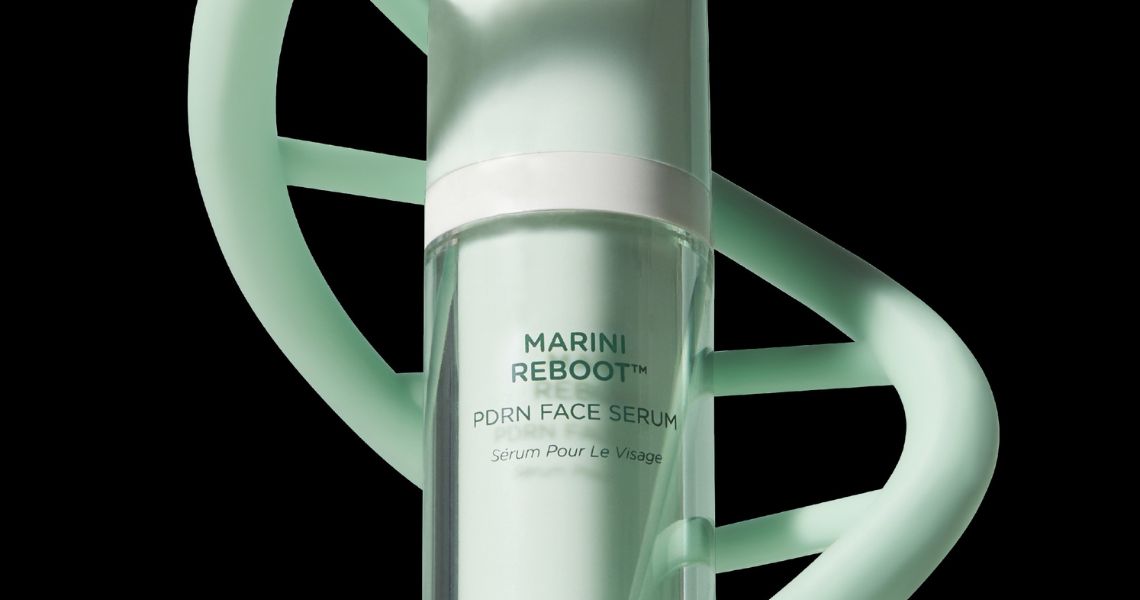
Natasha talked me through each stage of the treatment, from the stimulating scalp cream and Philip Kingsley’s famous Elasticizer to steam therapy, infrared lamps, scalp tonic and shampoo. As she worked, she explained not only what each product did, but also how to use it correctly at home. We also talked about hair washing frequency and I agreed to at least try to wash it every other day if not every day. By this point I could really see how important this is to hair health.
I remembered hearing beauty editors rave about Elasticizer years ago and later discovered it has been one of Philip Kingsley’s best known products for more than 50 years. After trying it myself, I understood why it has become so iconic. I was also recommended Elasti-Styler Extreme, a leave-in product to control frizz and define curl.


The scalp and neck massage I received was a chilled-out highlight. Sometimes you do not realise how much tension you are carrying until someone gives you permission to stop for a while. The appointment finished with styling advice tailored to my hair type. My scalp felt refreshed and comfortable, while my hair looked healthier, with more bounce, shine and definition than it had in months. I was also glowing from the conversation in between quiet time. If you could imagine the perfect amount of friendly interaction, this was it.
Despite filling my teeny notebook throughout the consultation and reaching for it again during the Hair Spa treatment, I needn’t have worried. Shortly after my appointment I received a personalised treatment plan by email, detailing the products Natasha had used, the order to apply them, nutritional guidance for going through menopause and clear instructions tailored specifically to me.
I arrived hoping to improve my hair, but left understanding far more about why it had changed in the first place. The consultation joined the dots between going through menopause, hormonal changes, nutrition, lifestyle and scalp health in a way that was practical, realistic and easy to understand. The treatment may only last a few hours, but the advice stays with you. For anyone wondering how to address what menopause is doing to their hair, that feels like a worthwhile place to start.