Graham Watts OBE, Culture Editor at bThere Magazine, reviews The Standard of Living – James Graham’s new play exploring the extraordinary life, ideas and loves of economist John Maynard Keynes, with standout performances from Rory Kinnear and Natalia Osipova.
Osipova speaks! Natalia Osipova has become one of this generation’s finest ballerinas by letting her feet do all the talking but those in the dance world got a soupçon of her new direction in Jo Strømgren’s The Exhibition, a mix of dance, comedy and theatre performed in the Linbury Theatre. But there is a mountain of difference between vocalising text before a sympathetic dance audience in the underbelly of the Royal Opera House and exposing this new-found skill in the spotlight of a Theatre Royal press night.
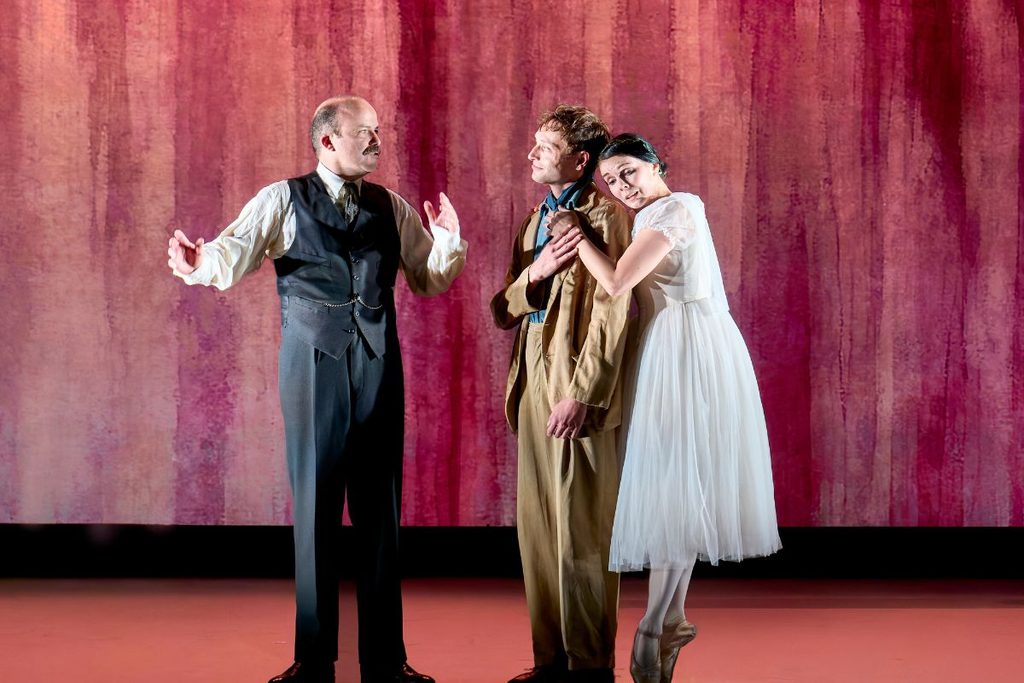
How did she do? Well, it certainly helped for Osipova to be playing to type as Lydia Lopokova, with performer and character both being Russian-born ballerinas divinely exiled to Britain. When Osipova first speaks on meeting admirers at the stage door, she was playing out a scenario that has been part and parcel of her real life for years! And as a little extra, Osipova bears a striking resemblance to Lopokova in her prime.

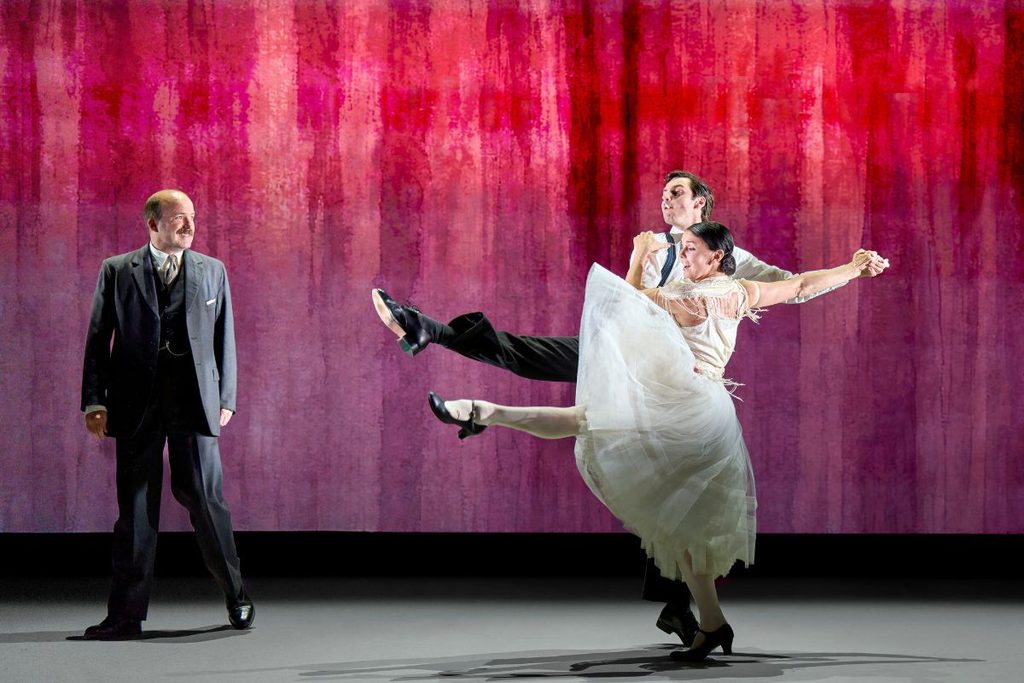
Osipova also dances, bringing an authentic feel of balletic nostalgia through extracts of The Firebird and other Ballets Russes classics that Lopokova would have danced in London. These danced interludes – sometimes partnered by Luke Cinque- White as the Firebird’s Tsarevitch – were cleverly weaved into the action by director, Nicholas Hytner.
Technique is paramount in classical ballet, but precise timing is its chief support, and Osipova translates her skill in movement to pinpoint effectiveness in her comedic delivery. There was just the odd moment when a line was not quite audible, the tell-tale sign of a lifetime in training the body for the stage but not the vocal cords. That aside, Osipova made an outstanding theatre debut.
The Standard of Living is a new play by James Graham about the life of John Maynard Keynes, set between the First World War and his death, aged just 62, in 1946. The inventor of Keynesian economics – put simply a belief that state intervention in the market stimulates the economy into growth – was also a key member of The Bloomsbury Group, which he largely bankrolled through ownership of their Gordon Square properties.
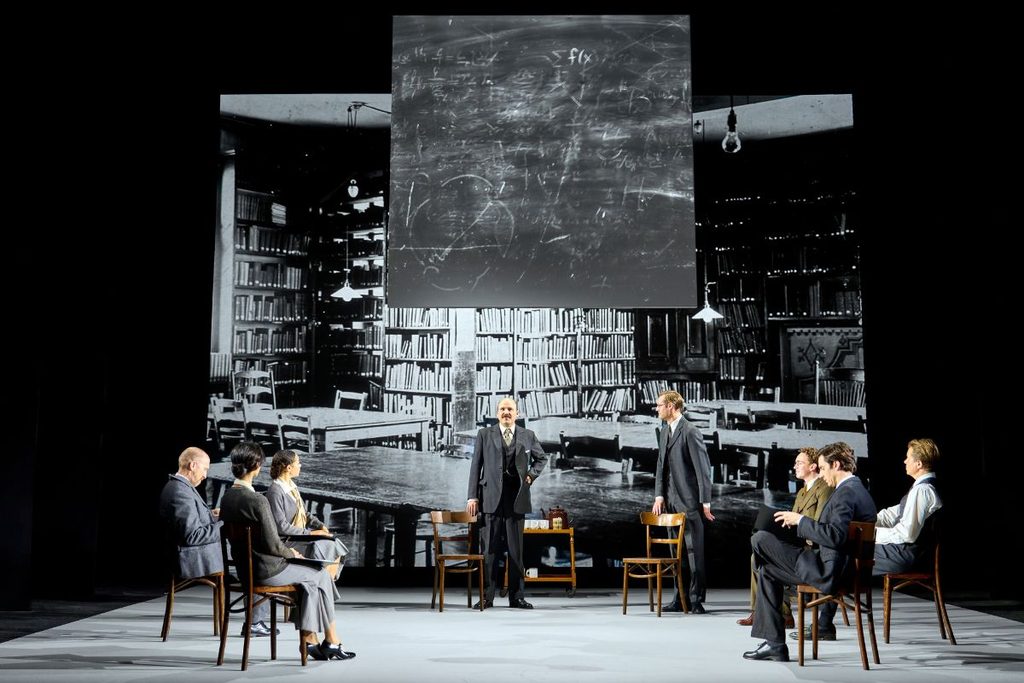
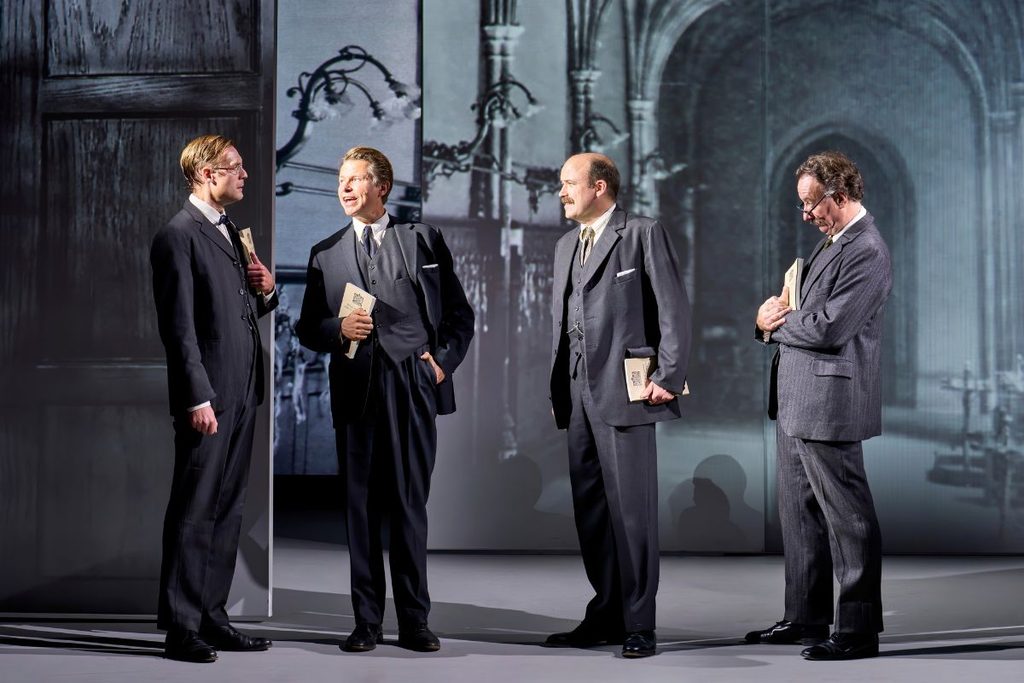
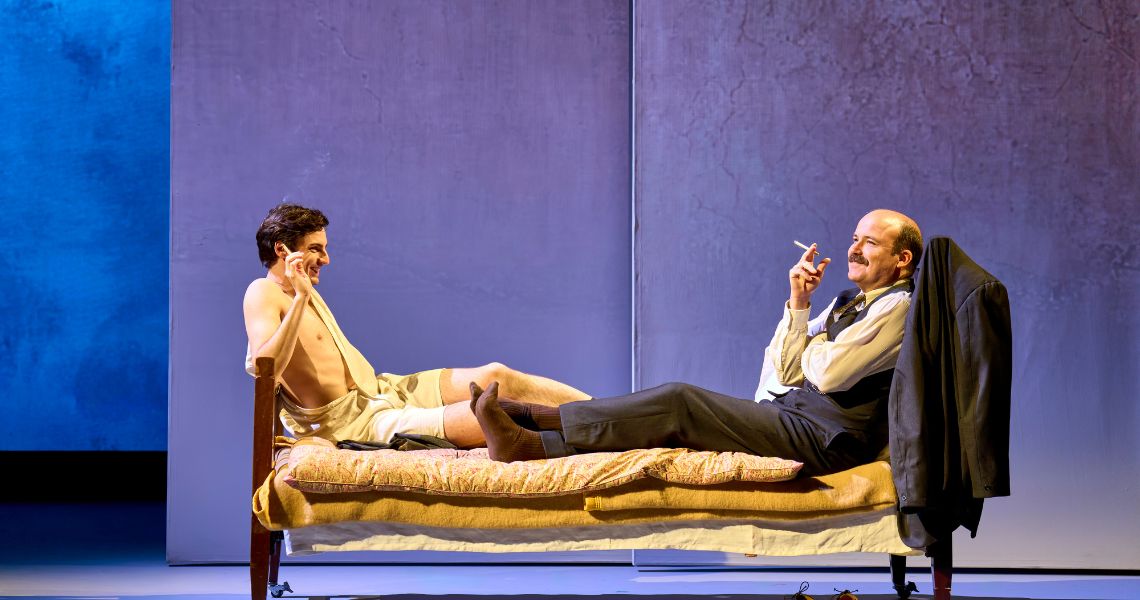
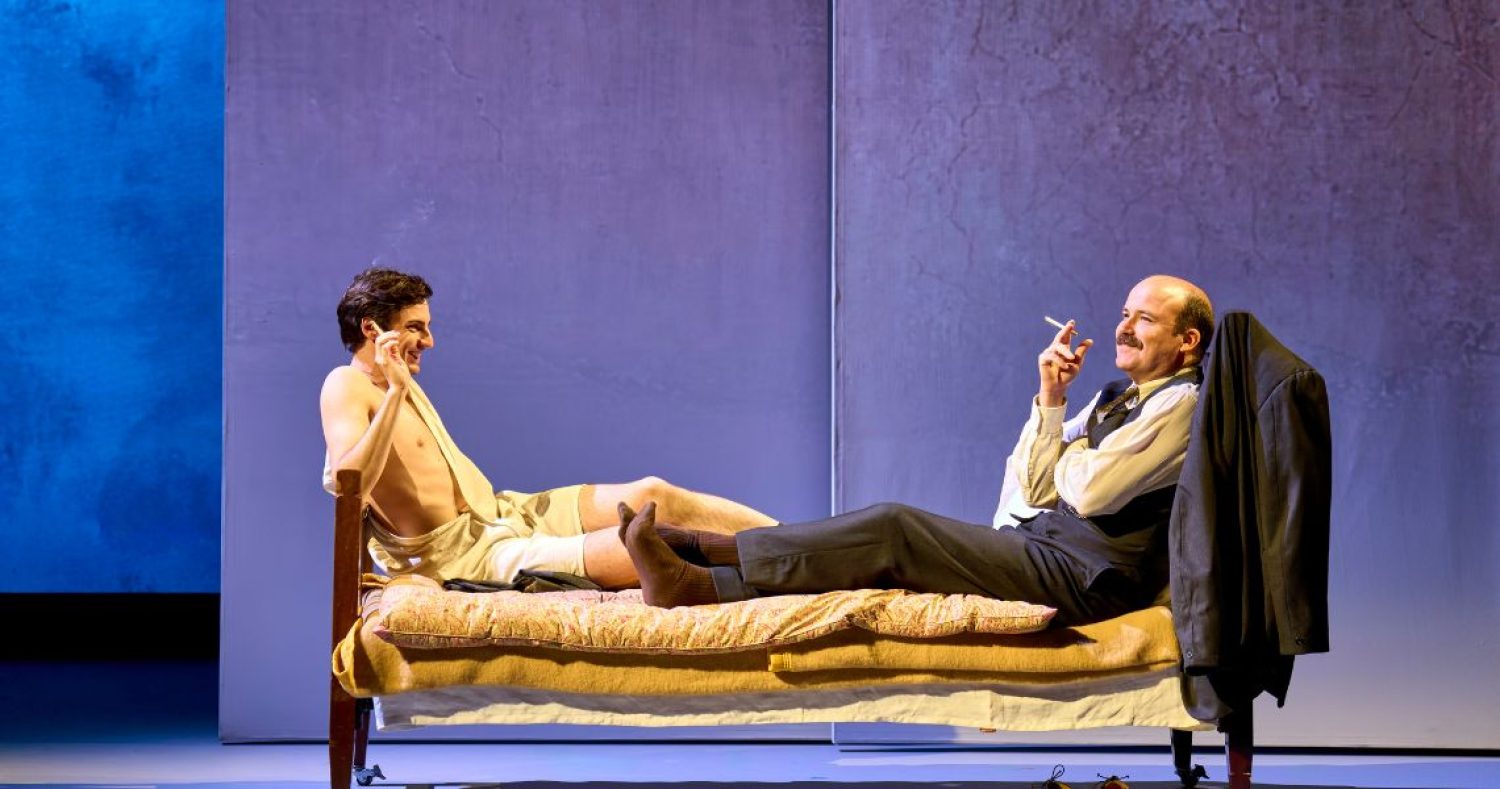
Keynes was also a promiscuous gay man who listed his conquests in a little black book and satisfied two sailors in a public toilet on the way to work (a laugh-out-loud scene in the play). In 1925, Keynes astonished his Bloomsbury friends, not least Duncan Grant and the acerbic Lytton Strachey with both of whom he had, had brief affairs, by entering a happy marriage with Lopokova.
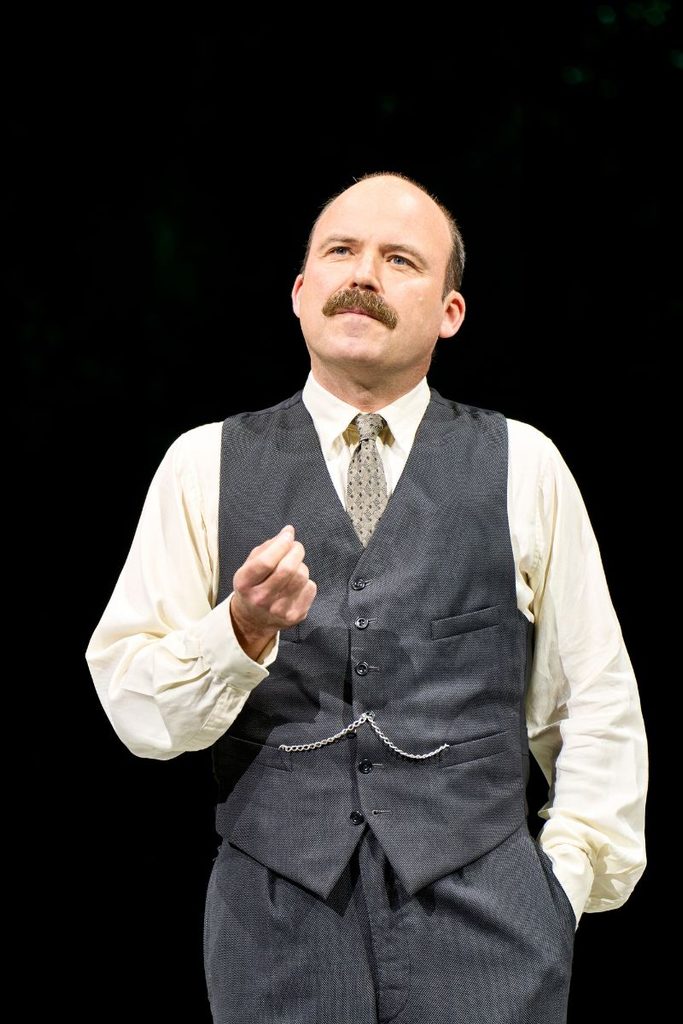
Rory Kinnear gives a tour de force performance as Keynes. He displays an uncanny moustachioed likeness to his subject and performs the role with a gentle determination in all his many guises, from bedding the men he fancies (including at the Versailles Peace talks following WWI); his instant attraction to Lopokova; to a meaningful monologue about the multiplier value of a man spending just £1 as a deposit in a hotel. By the time said man asked for his deposit back the £1 had changed hands several times over to boost the local economy. I’ve always admired Kinnear’s talent but after this masterclass of serious drama and subtle comedy, he’s joined my list of national treasures.
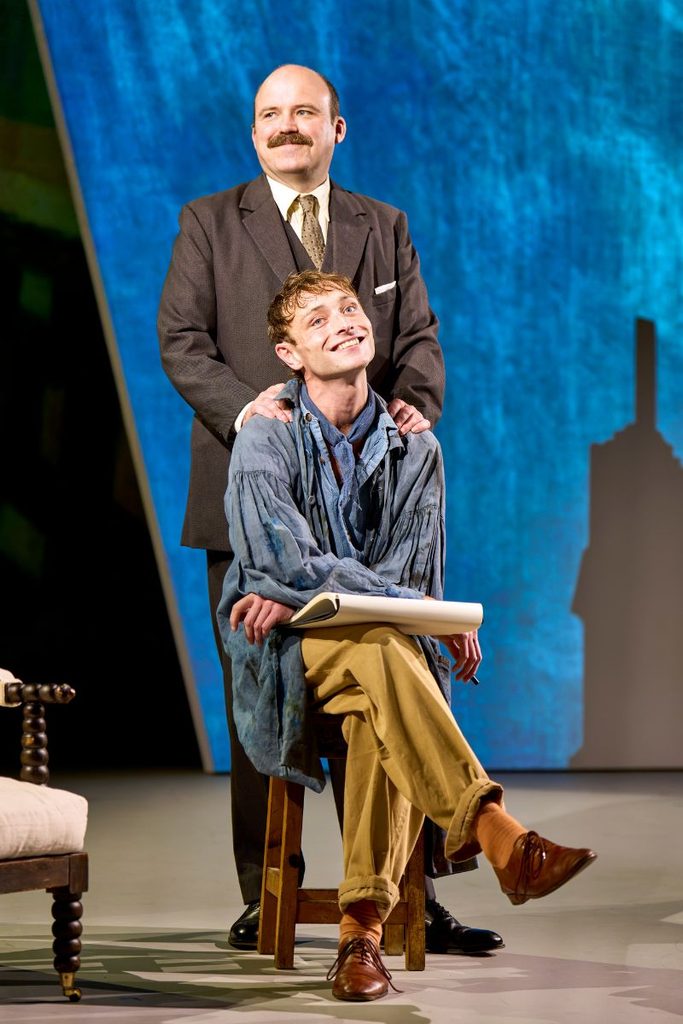
A main supporting character in The Standard of Living, is Keynes’ admirer turned antagonist, Friedrich Hayek, played with earnest economic passion by Laurie Kynaston. Six members of the Bloomsbury Group were featured with Grant (the painter) played confidently by Thomas Flynn; Naomi Frederick was similarly robust as the ultimately tragic Virginia Woolf; and Pip Carter was Strachey, the already tragic and lovelorn biographer who died (offstage) early in the play’s proceedings (1932). Clive and Vanessa Bell (Woolf’s sister) were portrayed respectively by Alex Blake and ClairePrice. The shared communal intimacy of the Group, both in Bloomsbury and at the Sussex Farmhouse where they spent much of their time was emphasised when Grant declares to Keynes that he is the father of Vanessa Bell’s daughter. The stage interpretation of the commune was completed by Agatha Enecio as the painter, Dora Carrington.
The paintings of both Carrington and Grant have been used by designer, Bob Crowley, in his excellent set of moving panels onto which the painted imagery and evocative photographs of the era were projected, giving an authentic nostalgic feel for the times. Jenny Beavan’s costumes, particularly the footwear, were similarly redolent of the period. James Cousins made the most of the comparatively small stage with his movement direction; Edward Watson brought some ballet expertise to the Ballets Russes excerpts; and Frank Moon’s score was also first class.
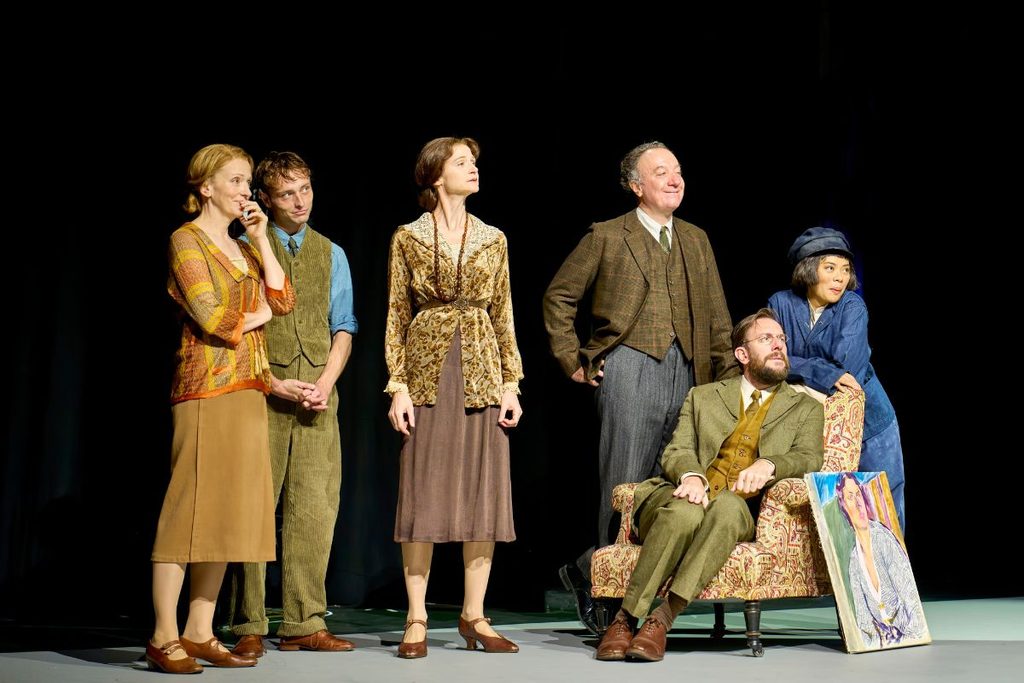
I started with a reference to The Exhibition, which starred Osipova in a speaking role. Her co-star in that production was the excellent dance theatre actor, Christopher Akrill, and it was pleasing to see him cast as a treasury minister from 1933. Both the creative team and the ensemble had afamily, or perhaps even an
innocent Bloomsbury Group, feel! Don’t be put off by a play about an economist! Economic theory is explained briefly and with clarity in amongst the story of one of the greatest minds of the twentieth century (Keynes even allegedly flirted with Einstein) and his enduring love for a ballerina.
The Standard of Living is showing at Theatre Royal Haymarket until 12th December 2026, tickets are available here.