
Review of the The Last Ship – The Musical by Sting at the Theatre Royal Drury Lane
At 74, Sting seems as much in demand as ever. Known globally, of course, primarily as a musician not least for those defining years fronting The Police, he releases albums as a solo artist and tours the world giving concerts alongside parallel lives as an actor and humanitarian activist. In amongst all of this, he found time to write a damn good musical, The Last Ship, the original iteration of which premiered in Chicago, in 2014, before moving onto Broadway that same year.
Since then, the show has been significantly revised, and this latest production has a new writer (Barney Norris) and a new director (Leo Warner) amongst an almost clean sweep of replacing the creatives from both the original and its first revival in 2018. The ever-present contribution is Sting’s music and lyrics but even they have been subject to change and addition.
A catalogue of Sting’s familiar songs was used as the music for ZooNation’s very successful Message in A Bottle, which premiered at London’s Peacock Theatre in 2020 and has toured the world since then. By contrast, Sting’s music for The Last Ship is a bespoke score written specifically for musical theatre and – as one would expect from such a consummate songwriter – it is a superb songbook.
It’s also a very full one! Including a few reprises, there are no less than 24 songs, three of which (Ship of State, That’s All That I’m Telling You Son and We Build Ships) are new, and another three (Practical Arrangement, I Love Her But She Loves Someone Else and Ghost Story) have not been in a previous UK production.
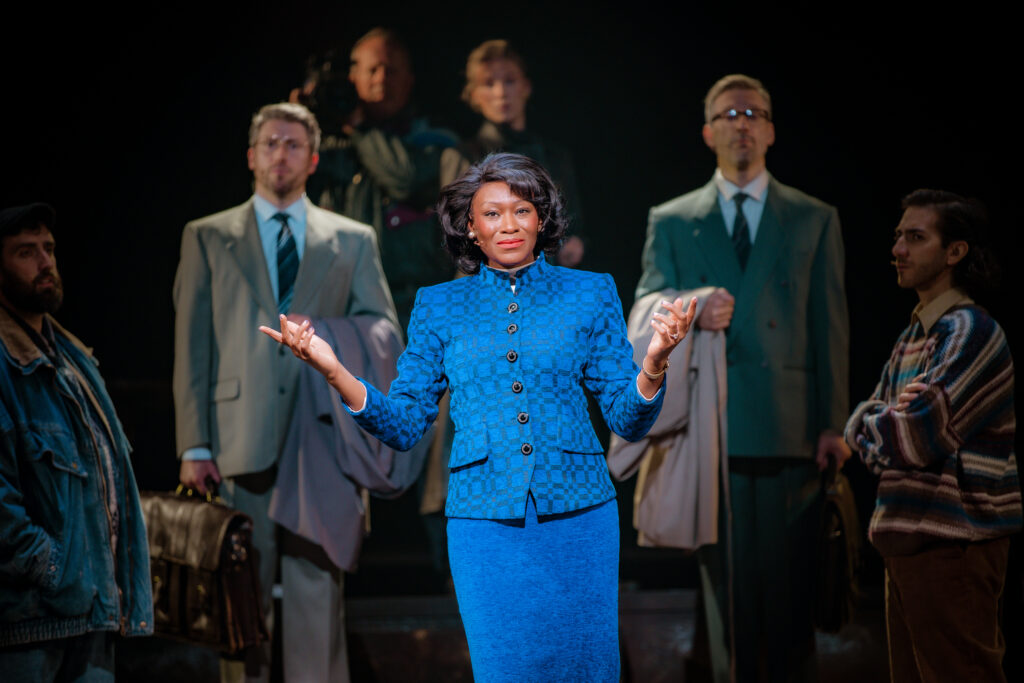
The show was inspired by Sting’s youth in the North Tyneside town of Wallsend and focuses on the demise of the town’s shipbuilding industry. Delays in the building of the last ship (the Utopia, the name of a real ship that sank in 1891) have led the government, represented on stage by the fictional Trade and Industry minister, Baroness Tynedale (a truly Thatcherite performance by Cassiopeia Berkeley-Agyepong), to refuse further commissions, thus effectively closing the yard. Freddie Newlands, the son of the former, pre-nationalisation, owner has plans to bring it back into his private ownership, but the unions and the workforce have other ideas.
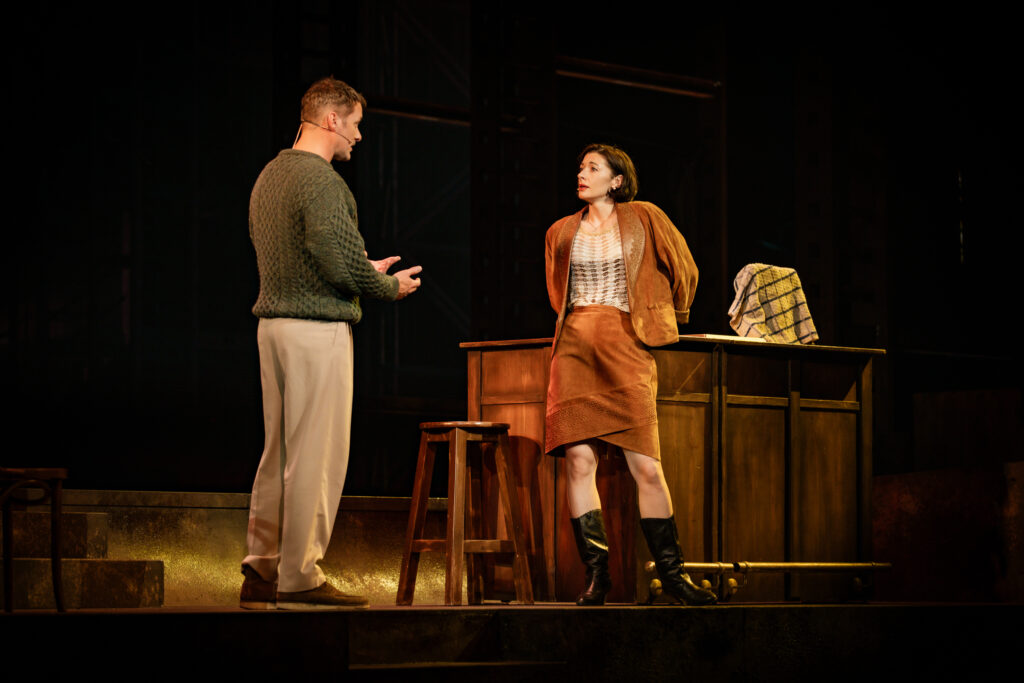
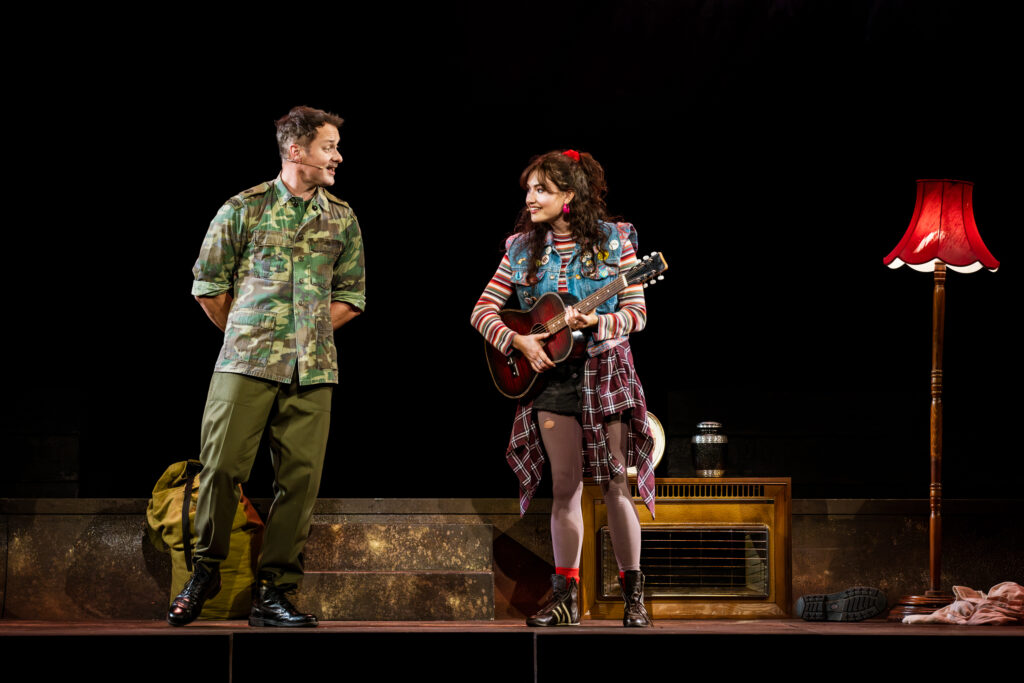
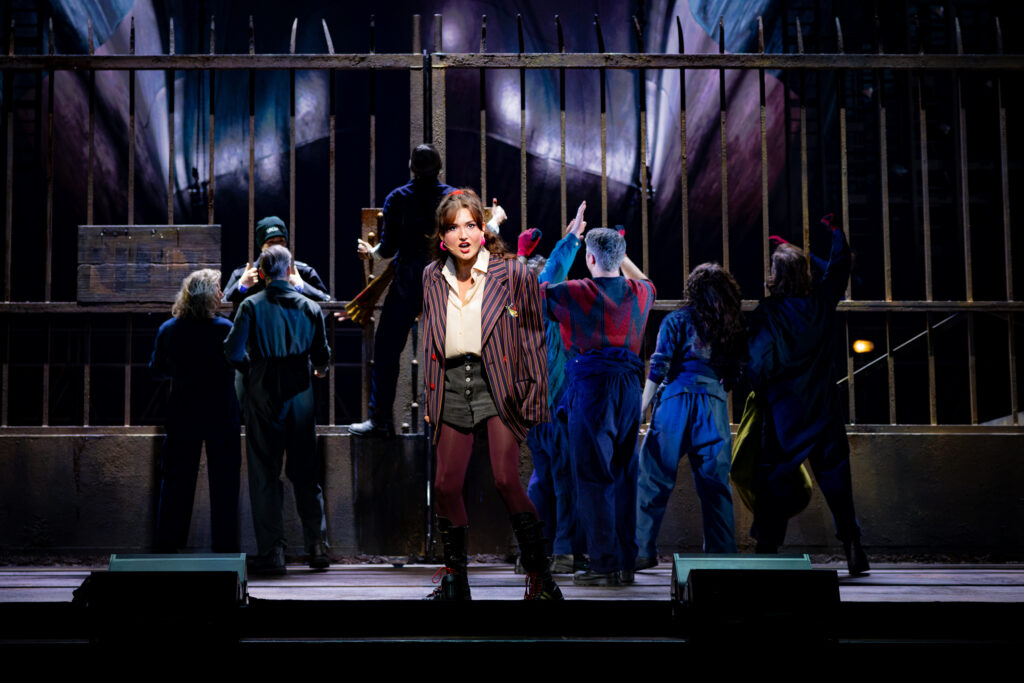
Another story runs alongside the government/workers tussle since Freddie (Matt Beveridge) wants to marry Meg (Frances McNamee) who has a sixteen-year-old daughter, Ellen (Hannah Richardson) and still reluctantly carries a torch for her absent father Gideon (Declan Bennett) who escaped his over-bearing father by running away to join the Marines, not knowing of Ellen’s existence. Seventeen years’ later he returns to Wallsend after his father’s death and with the ambitious hope of rekindling his relationship with Meg, a cue for sparks to fly, in more ways than one!

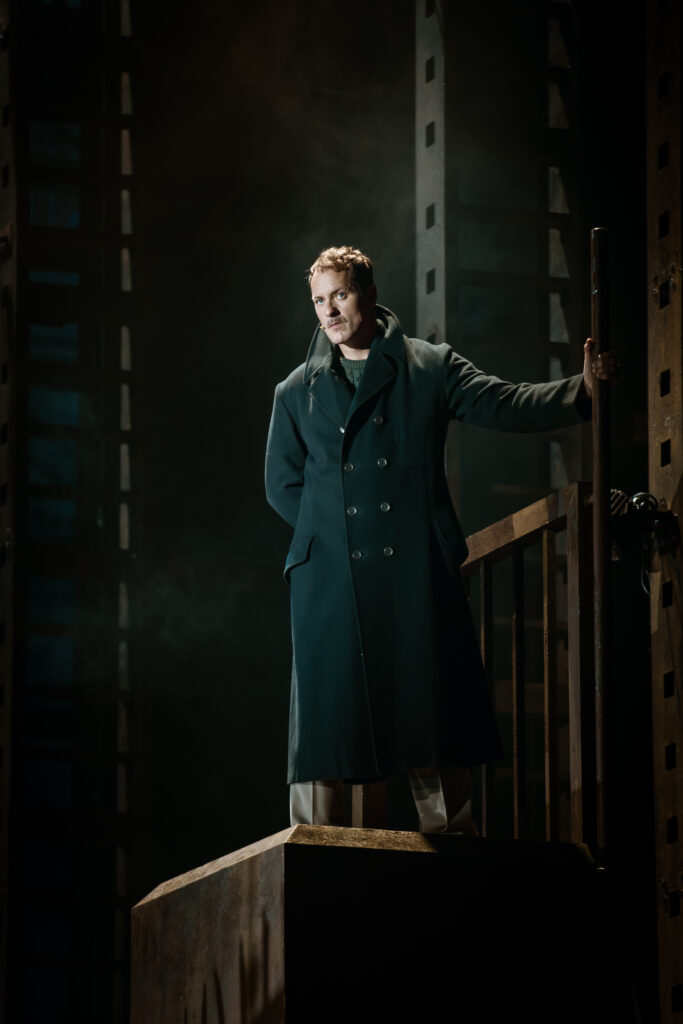
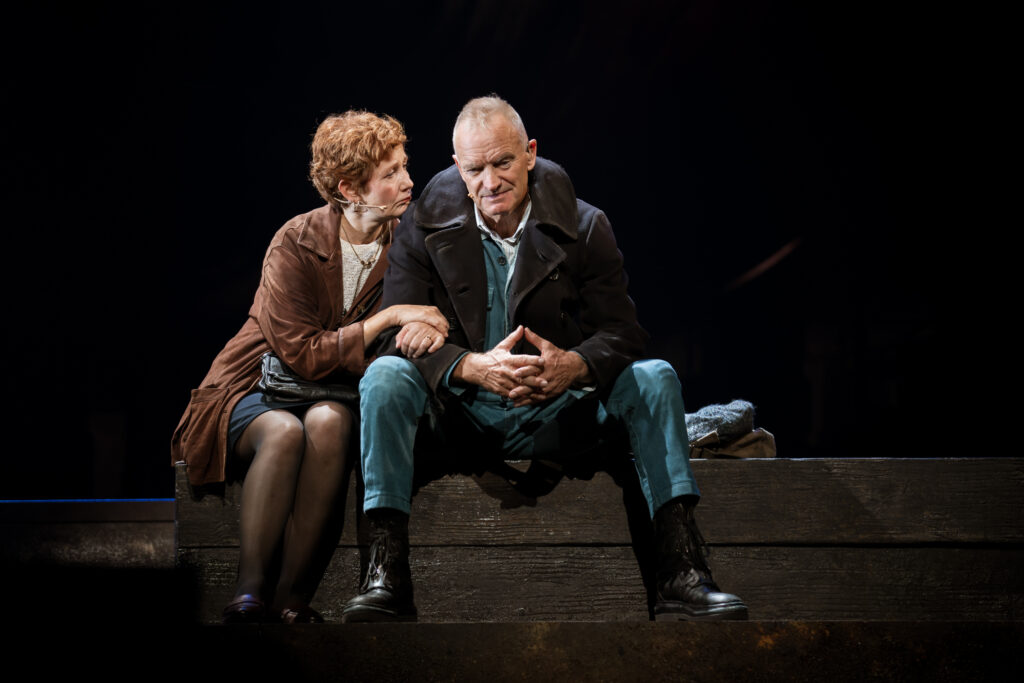
Despite all these characters (and many more) and some sterling performances, Sting is the dominant presence on stage, from an impressive opening sequence that sees him standing on a girder high above the stage singing the show’s opening number (Island of Souls) in that unmistakeably unique voice, undiminished by the years. He plays the shipyard’s foreman, Jackie White, with a strong sense of down-to-earth realism no doubt drawn from Sting’s early years, growing up by theWallsend shipyards. Jackie Morrison has history, alongside Sting, as White’s wife, Peggy, and the chemistry between them, especially in the domestic scenes, was powerful.
At three hours, with an interval, the show is a little too long and I was disappointed by the anonymity of the character of the Ferryman, played for two performances only by renowned reggae artist, Shaggy (the role will be taken in other shows by Lejaun Sheppard). One of the new songs, We Build Ships, was a Sting/Shaggy duet in this performance and there was a moment where Shaggyteased the audience with a cameo reggae shrug or two before exiting the stage but, apart from that, the Ferryman seemed mostly just a character in the background, observing events seated on a box.
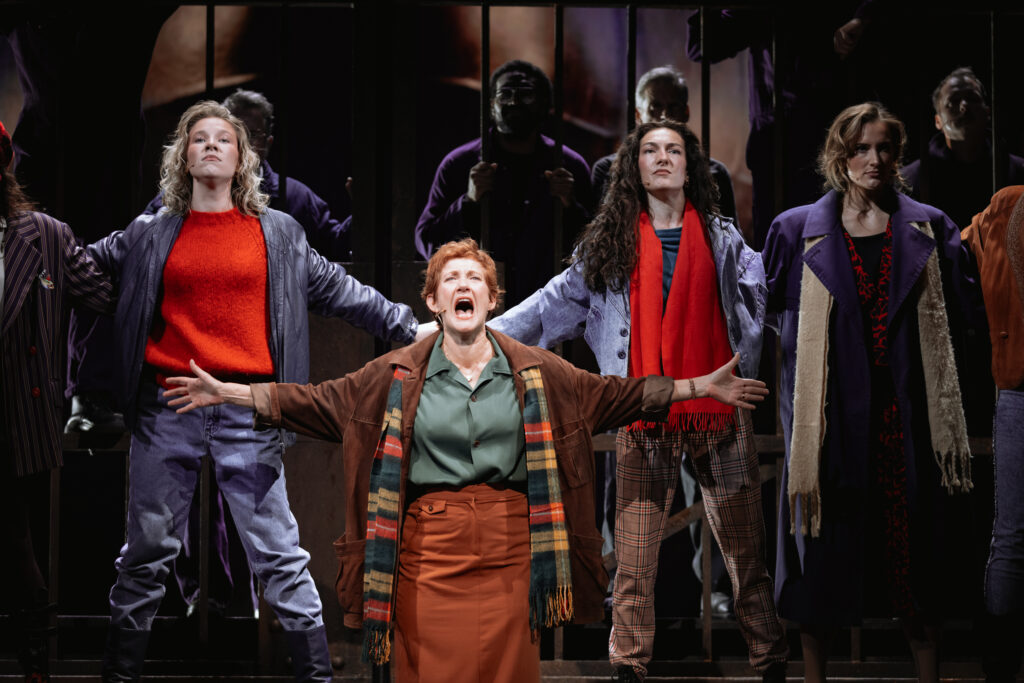
The show’s eponymous title song is catchily repeated three times including in the spectacular finale and I also loved McNamee’s If You Ever See Me Talking to a Sailor and the powerful ballad, All This Time, sung strongly by Richardson’s Ellen when she discovers the father that she never knew.
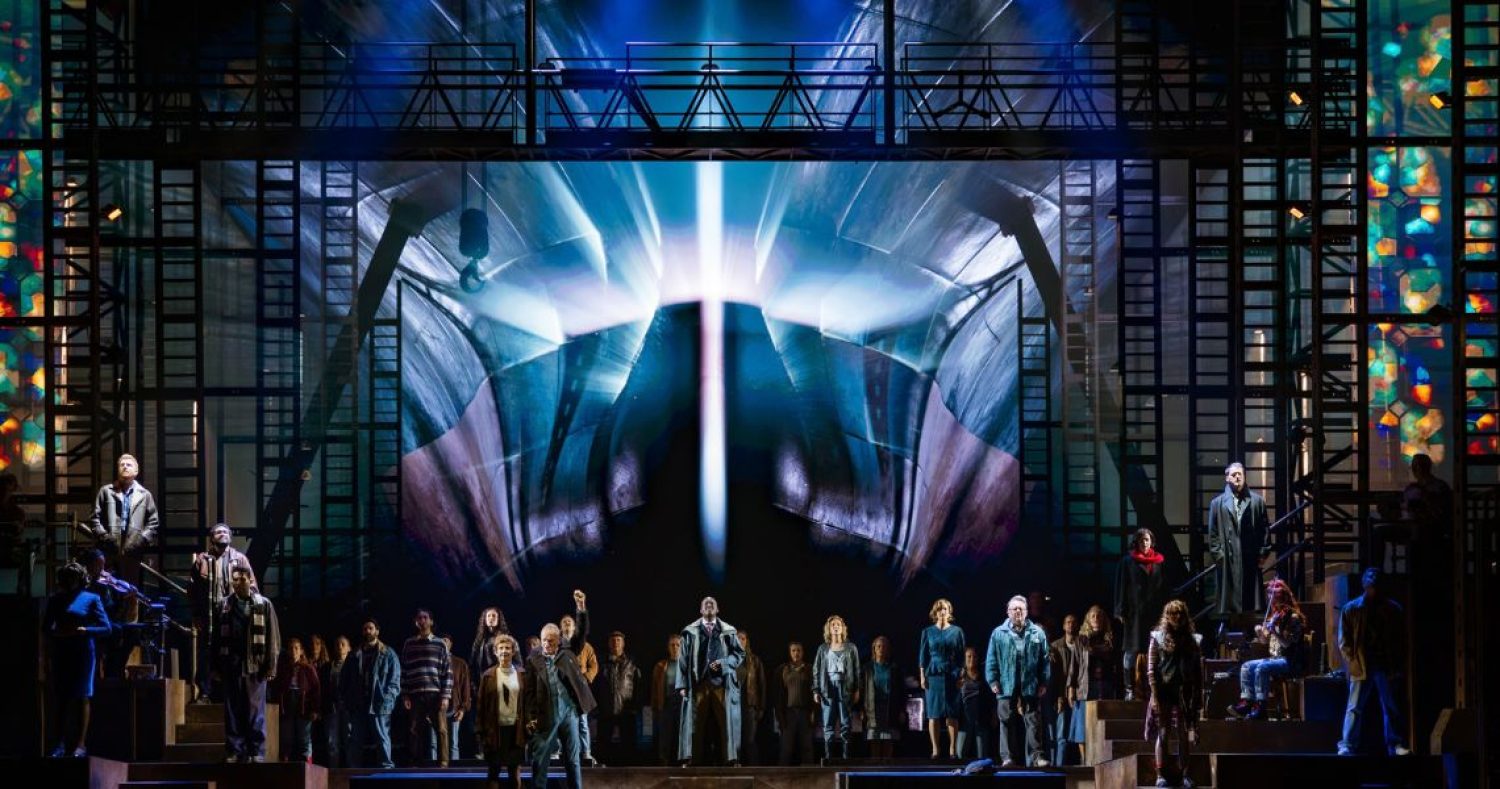
The set design, by Jenny Melville, aided by 59 Studios’ digital designs, is tremendous, enabling highly realistic imagery of the shipyard with the giant, realistic prow of the Utopia under construction (sparks flying from the welding gear were an impressive and analogous leit motif) to be ever-present while the trauma at the shipyard gates, in the local bar and through sundry domestic scenes was played out below. Adding colour, musicians sat on the shipyard scaffolding at the side of the stage.
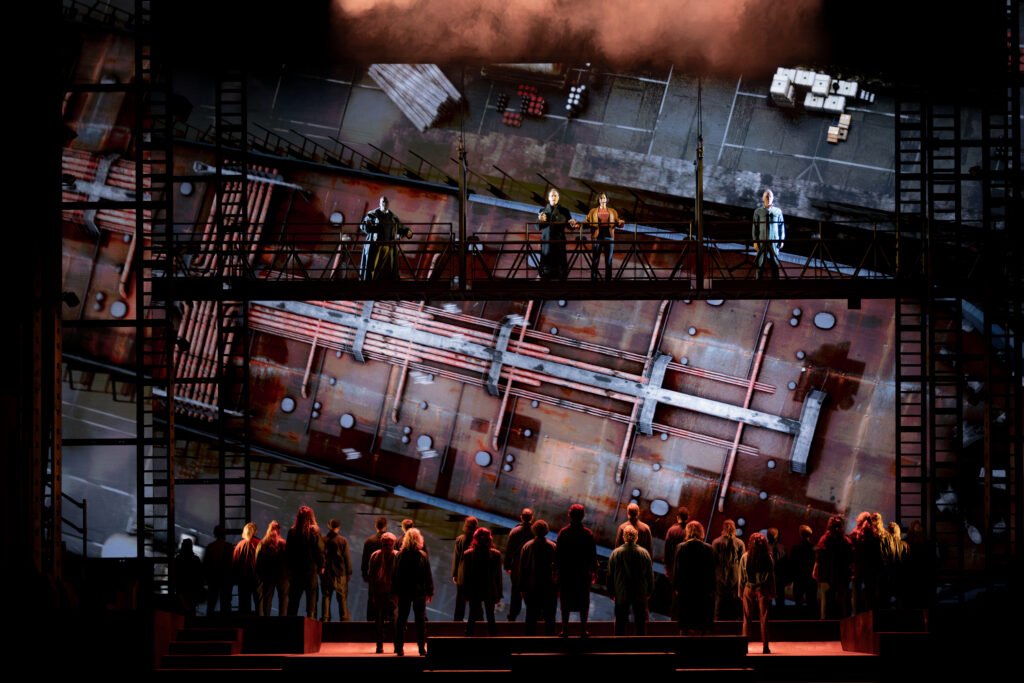
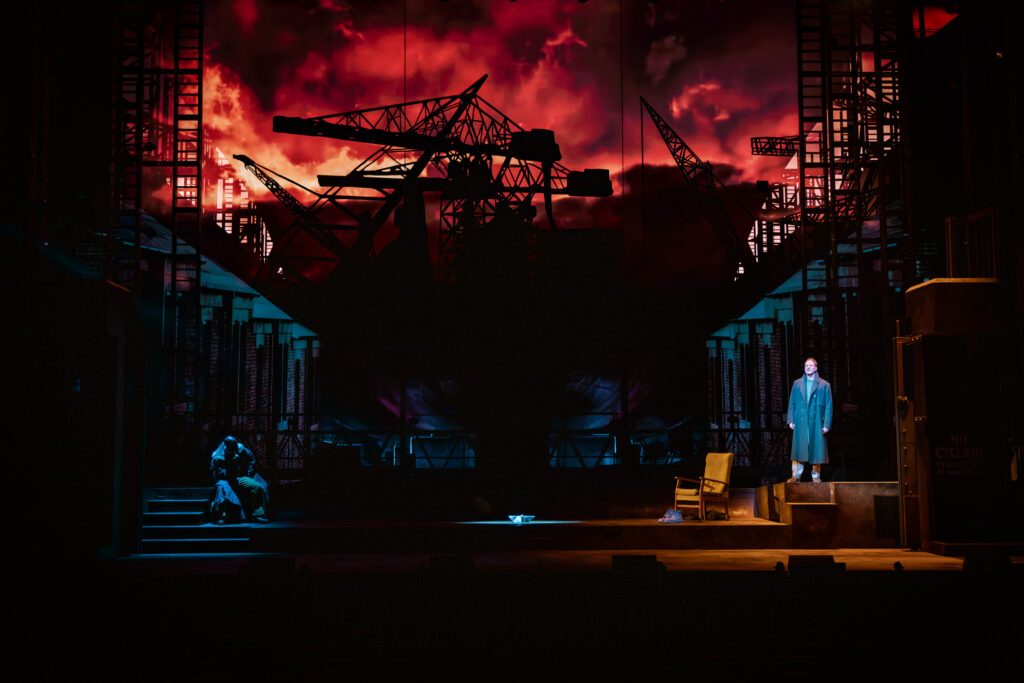
The final scene of the Utopia’s launch was memorably portrayed alongside a spectacular ending with the final reprise of The Last Ship, bringing the entire audience to their feet.
Article by Graham Watts – © Images by Nienke de Groot
For more Culture from bThere Magazine
The Last Ship runs at the Theatre Royal Drury Lane until 3rd October 2026 – The Last Ship Tickets


