
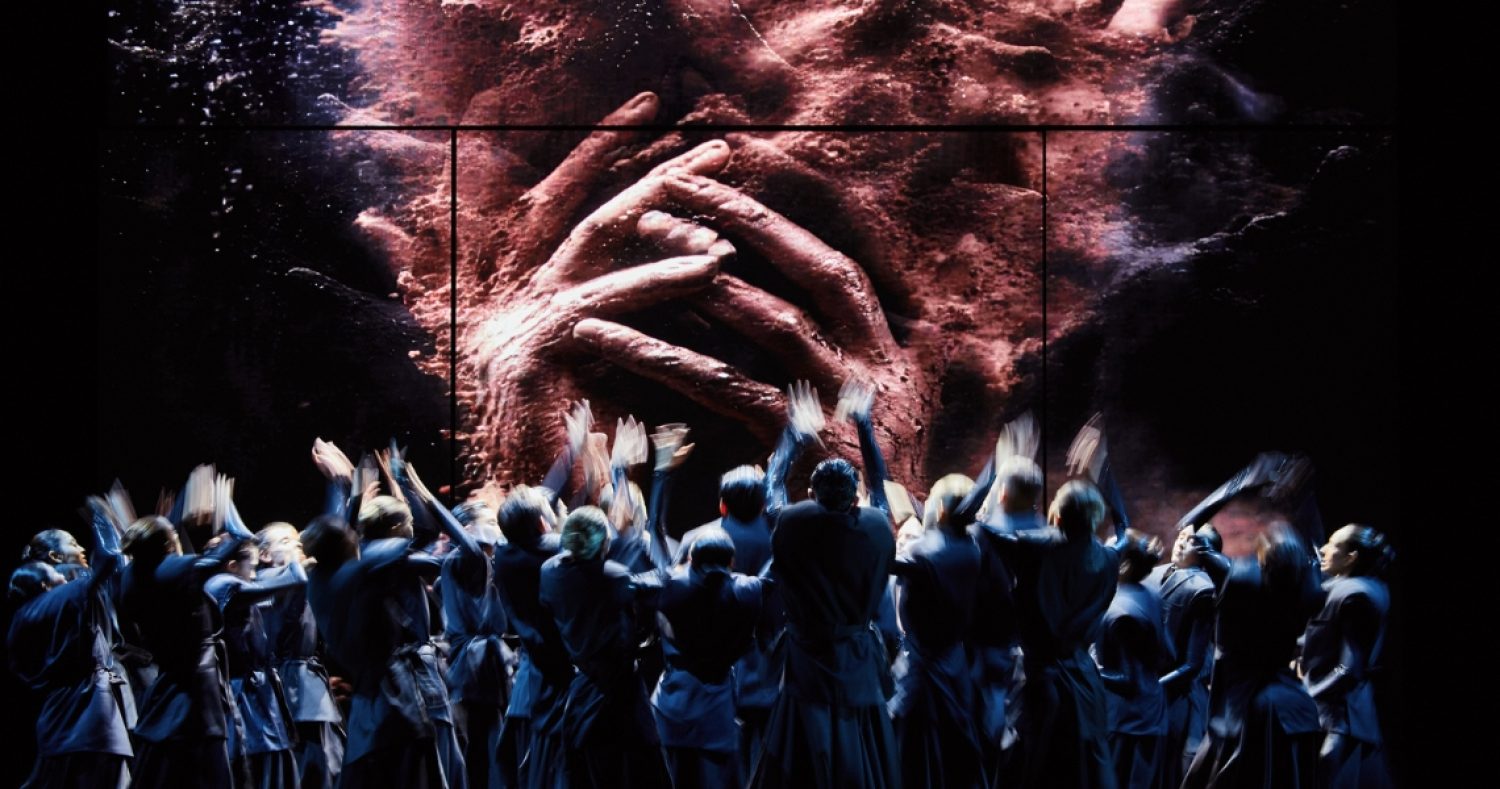
A review of Mere Mortals by the San Francisco Ballet at Sadler’s Wells Theatre, London
The return of San Francisco Ballet to London after a seven-year hiatus was richly anticipated especially since it reintroduced Tamara Rojo as the company’s artistic director, following her 10-year tenure in the same role at English National Ballet.
Rojo had commissioned Aszure Barton to make Fantastic Beings for ENB as part of the She Said programme in 2016 and she has returned to the Canadian choreographer for Mere Mortals, a work that had opened Rojo’s inaugural season in San Francisco and which had received its UK premiere in Edinburgh in August before transferring to London. Rojo is on record as saying that she performed for 20 years without ever dancing in a work made by a woman and her committed support for commissioning women choreographers is to be applauded.
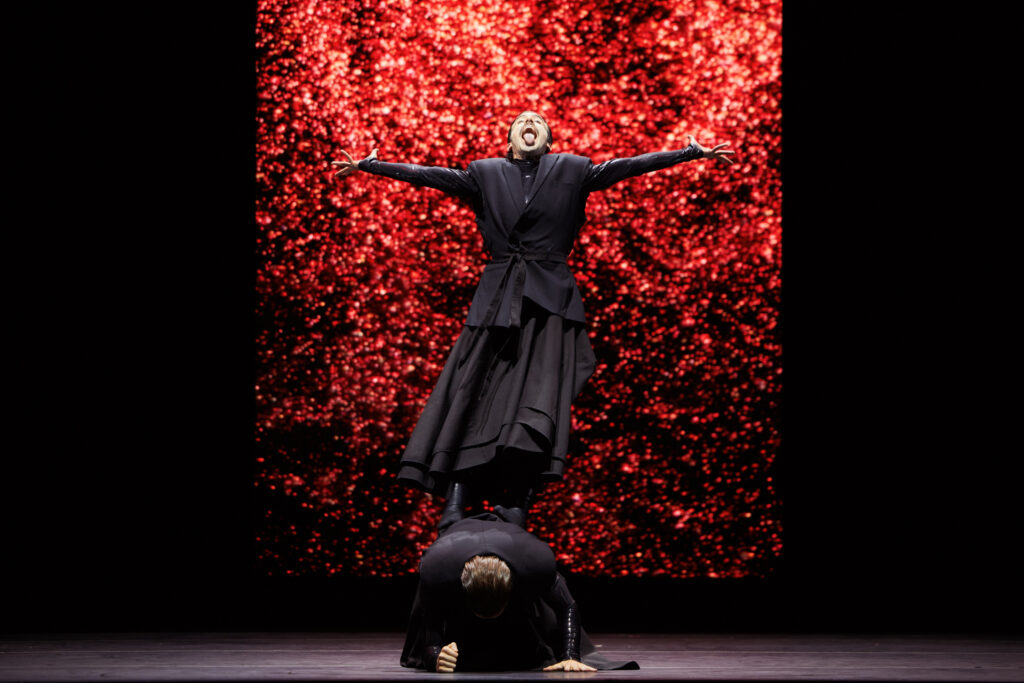
That said, my reaction to Mere Mortals was rather mixed. Barton made the work based on Greek mythology in the story of Pandora, sent to the mortal world by Zeus with the gift of a sealed jar and instructions never to open it. Zeus was angered by Prometheus stealing fire from the gods to give to humanity and Pandora was his revenge, offered as a gift to Prometheus’ brother Epimetheus. Despite the warnings of Prometheus, curiosity got the better of Pandora and she opened the jar, thus releasing all the evils upon the world, resealing it just in time to capture hope.
Mere Mortals, made with the cooperation of dramaturg, Carmen Kovacs, is an abstract representation of all the above, further confused by apparent references to Artificial Intelligence and frankly without being told it concerned the Pandora myth, it would have been possible to view it without being aware of that allusion. Krzysztof Pastor’s Prometheus for Polish National Ballet, which premiered last year, was a much clearer interpretation of the mythology.

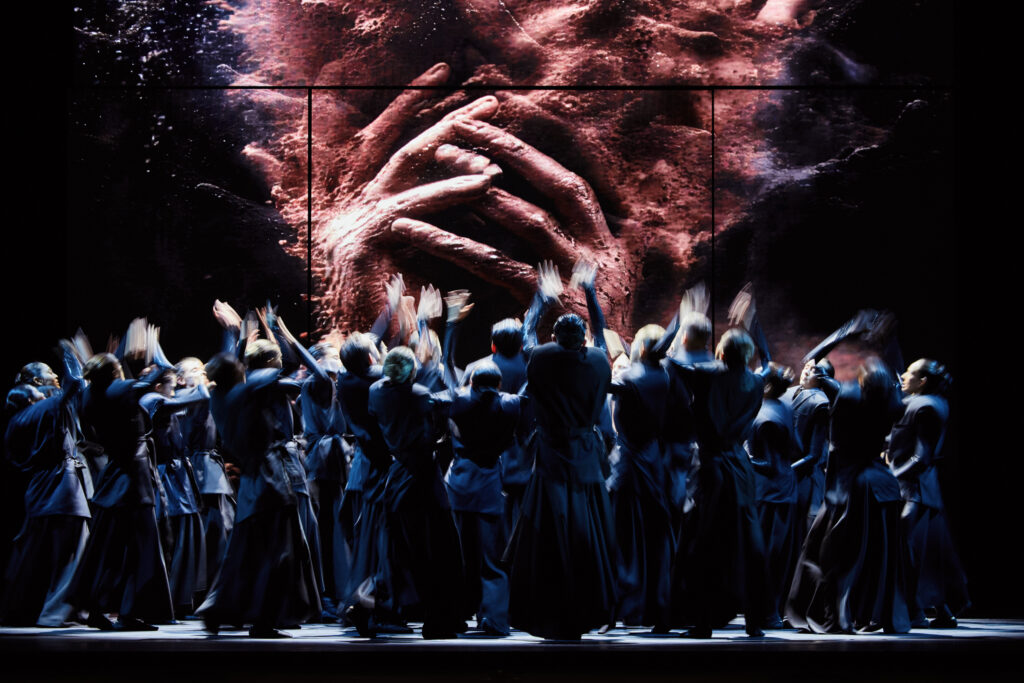
It is, however, visually spectacular, in large part due to the remarkable production design and visuals of Hamill Industries, the lighting designs of Jim French and the stunning costuming of Michelle Jank, who apparently sourced material for the corps’ broad-shouldered black cloaks from the thrift shops around the Bay area.
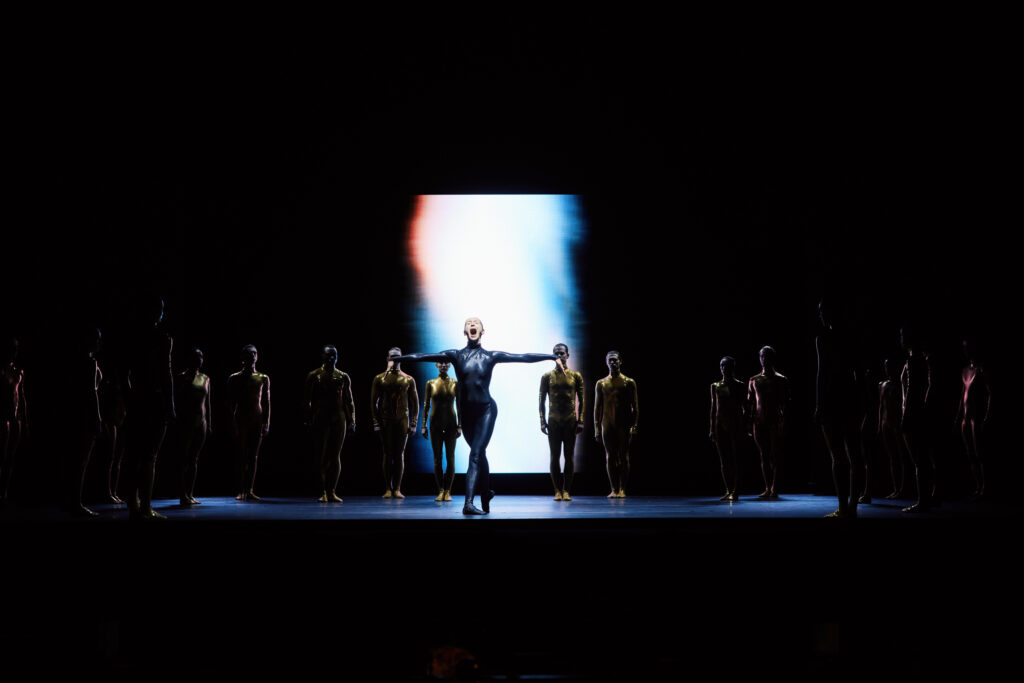
The celestial skies in Hamill’s projections were especially arresting, with a remarkable 3D effect created on what was clearly a flat screen; and the skin-tight, full-body gold and dark costumes were similarly impactful. As is so often the case with quick “get-ins” for touring companies, the lighting cues were occasionally awry with the lights playing catch-up with the dancers’ movement.
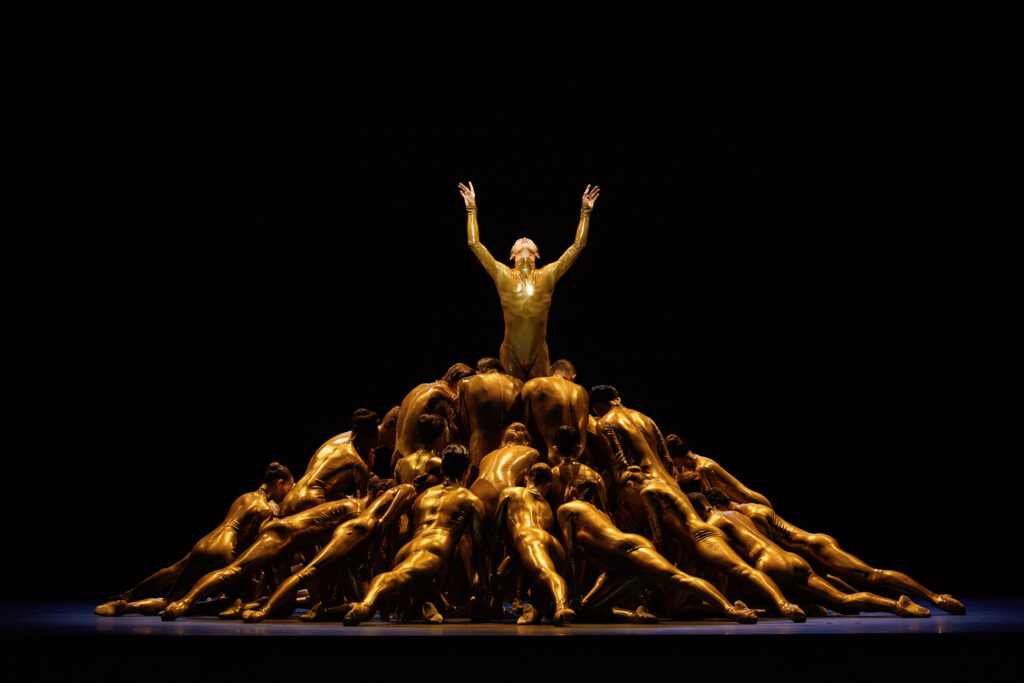
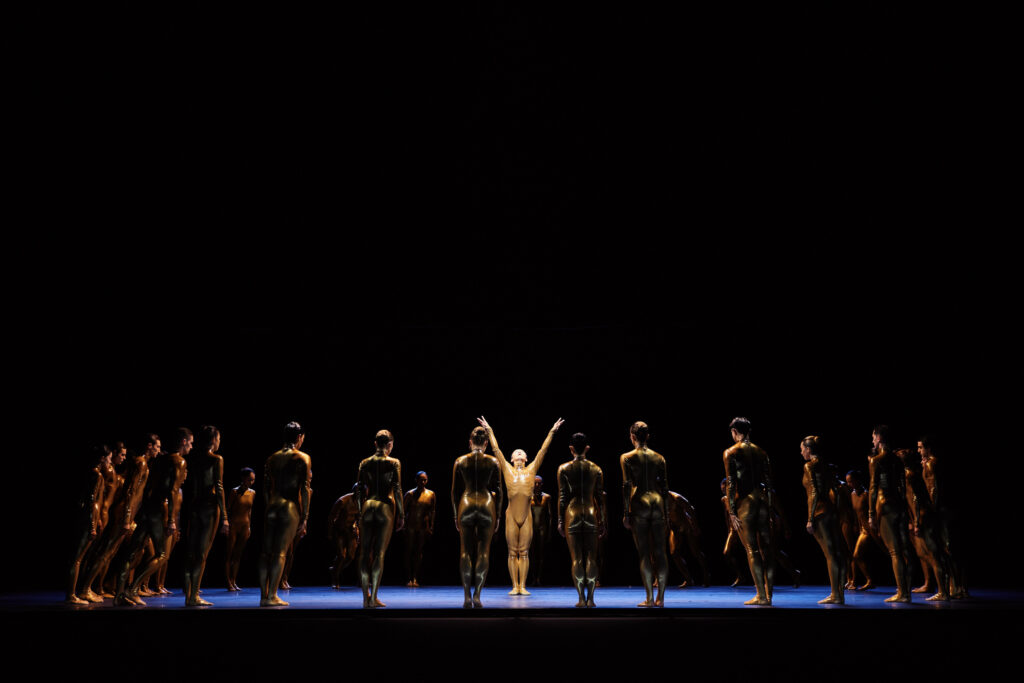
There was a pleasing organic flow in Barton’s choreography for the large (40+) and anonymous ensemble and the long, sensual pas de deux towards the end of the work for Pandora (an ebullient performance by Jennifer Stahl) and the fearless Epimetheus (Harrison James) was outstanding. Hope was represented from the very beginning of the ballet by the gold-clad contortionism of Wei Yang, wrapping his limbs into seemingly impossible positions, with long-standing principal Joseph Walsh appropriately prominent in the foreboding role of Prometheus.
The music by Sam Shepherd, known as Floating Points, is a fascinating mix of orchestral, performed by the Royal Ballet Sinfonia, and electronic (with Floating Points himself operating the Buchla synthesizer). The marriage of these two musical forms worked well in harmony with each other with separate themes representing the world of the mere mortals and those of the gods (perhaps rolled up in the premonitions of AI). I imagine that it must be a nightmare to conduct at the interface between traditional orchestra and electronica and so kudos to Martin West for pulling it all together.

To be brutal, at 70 minutes, the work is too long and some of the repetition in the closing sections could have been omitted to get it closer to 50 minutes, which I think should be the maximum length of non-narrative dance productions. It seemed strange that – after seven years – San Francisco should return to London with just this one piece, although I understand that the London engagement was just an extension of the Edinburgh Festival commission.
The performance ended shortly after 8-30pm, and it was crying out for an interval and a second contrasting work to show us the full extent of the company’s quality. Still, until the next time and hopefully it won’t be another seven year wait.


