
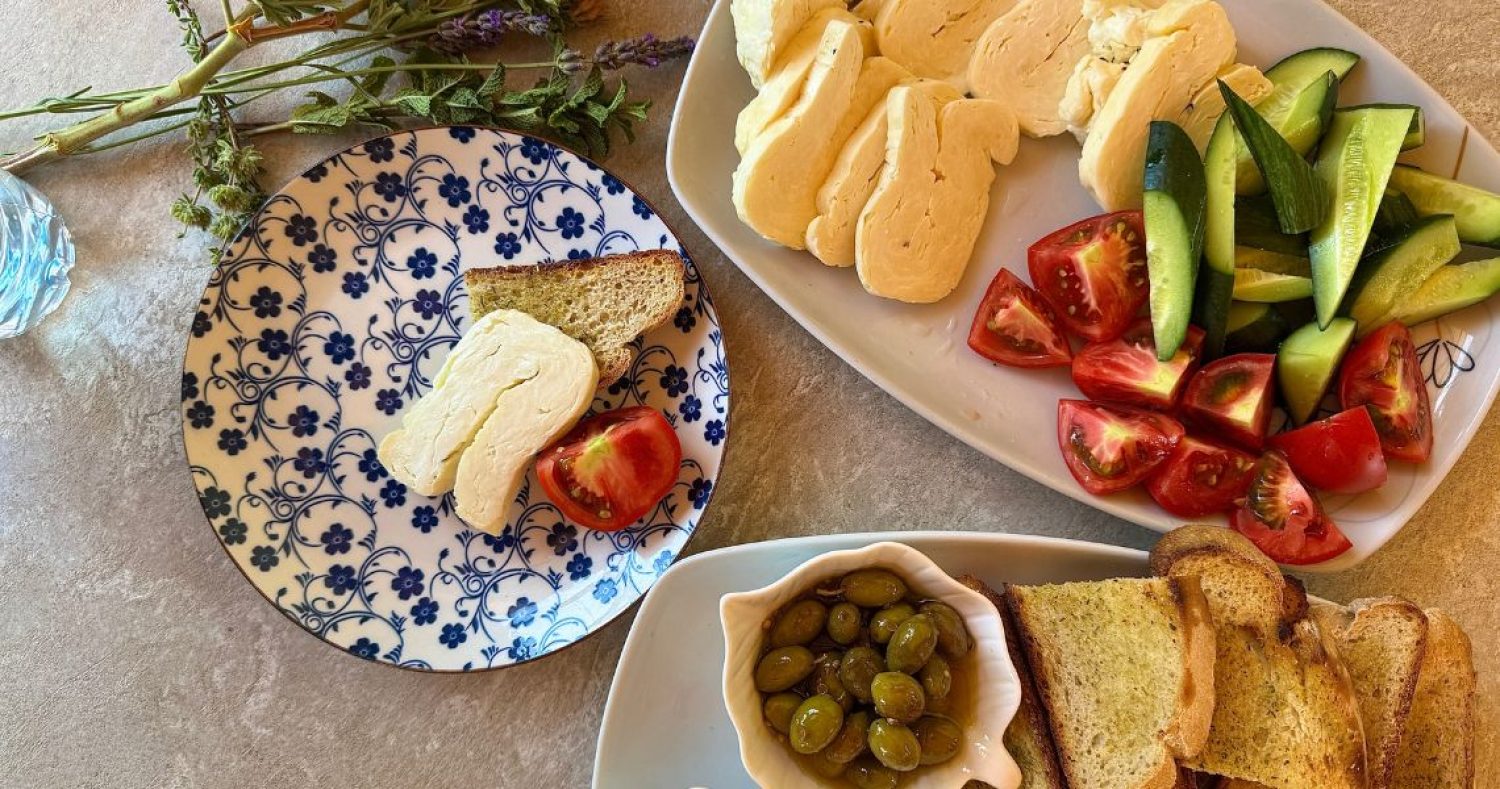
If you’re looking for a foodie holiday where everything revolves around long lunches and an obsession with local produce, then Cyprus should be firmly on your radar. In fact, under the word Cypriot in the dictionary, there should be just one definition: feeder.
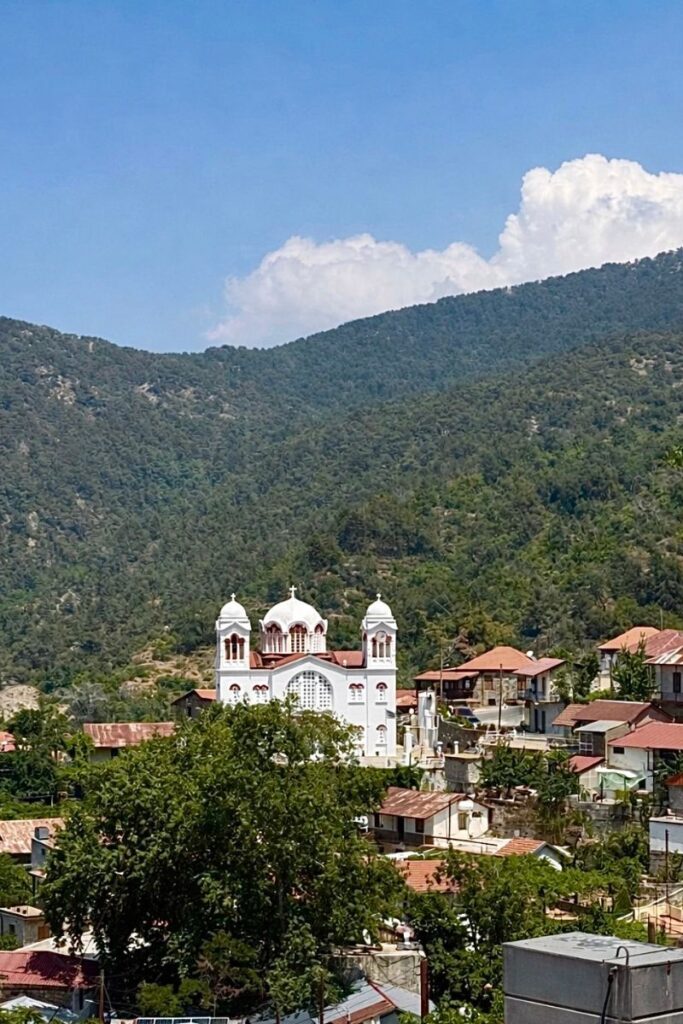

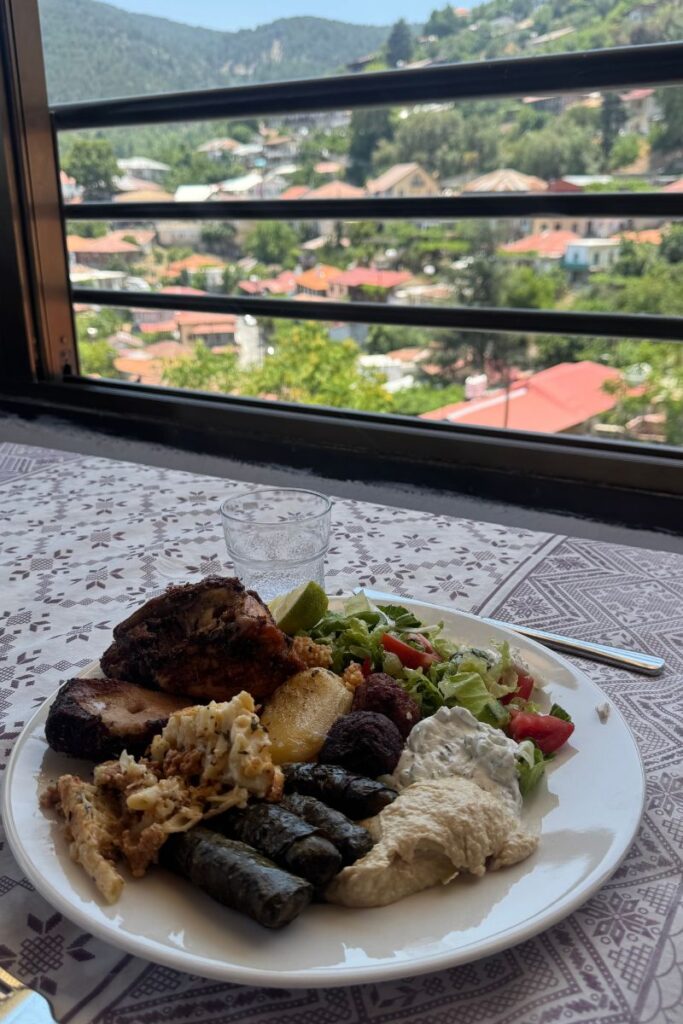
I once said, “You don’t see any skinny cats in Cyprus,” and despite the island having almost as many cats as people, with a huge stray population, you’d expect at least one under-nourished feline skulking about. But no. Such is the Cypriot instinct to feed, it seems it’s an impulse that extends generously to their feline friends.
This is a country whose love language is food. A country that has been making wine for over a thousand years. A country where it is customary to serve salty cheese at the beginning of every meal, and I am completely on board. Greek and Middle Eastern influences run through the countries cuisine, but the identity is entirely its own. After a week travelling the country on a foodie holiday, talking to producers and eating my way through the villages, I was not only inspired, but very, very full.
Food Festivals of Cyprus
Cyprus hosts around 140 village food and drink festivals each year, and you might assume that number suggests polite nods to local produce. Absolutely not. In true feeder fashion, these festivals are full-scale village takeovers.
I was lucky enough to catch the Cherry Festival in Pedoulas and the Honey Festival in Odou. Both offered endearing, insightful glimpses into Cypriot food production and culture. In the mountain village of Pedoulas, home to the island’s best-known cherry festival, every possible by-product of the fruit is on display: juices, syrups, liqueurs, jams and sweets. It’s a celebration, market, gathering and party rolled into one.
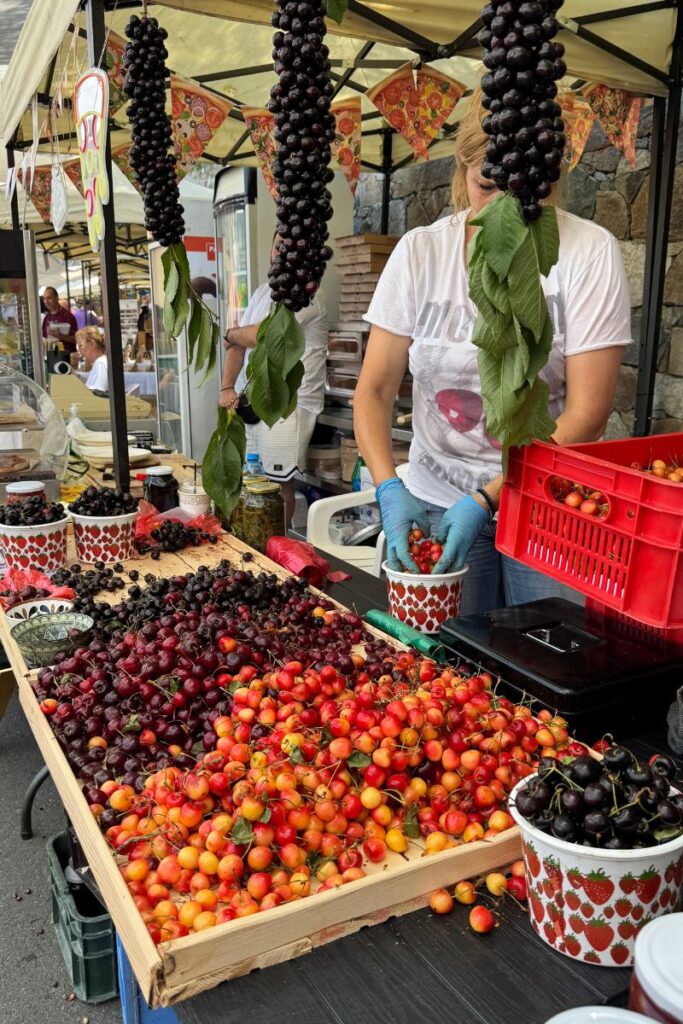


As you wander through the joyful chaos, freebies and tasters are pressed into your hands with classic feeder energy. I found myself imagining a Cypriot food producer wandering around Borough Market, utterly baffled by the stinginess of the samples.
It soon becomes clear that these festivals are about far more than celebrating the juiciest cherry. They are reasons for families to return home, for the young bucks of the village to show off their dancing prowess, and for communities to come together, much like the spirit of mezze itself. For a day or two, villages grind to a halt, offering one of the most vivid glimpses of the real Cyprus.
Most harvest celebrations run from late spring through to early autumn, and the drive inland not only immerses you in the island’s dramatic mountainous terrain, but offers countless excuses to stop for a long lunch and eat, drink and dance the day away.
The Cypriot Rose
You might be forgiven for thinking of bold, meaty souvlaki when you picture Cyprus’s most traditional flavours, but the island’s love for rose runs deep. In the mountain village of Agros, the Damask rose harvest has a tiny window. Buds are picked by hand before dawn, while the air is cool and the flowers remain tightly closed, locking in their precious oils. Once the sun rises and the petals open, the fragrance begins to slip away, making late picking pointless.
During this fleeting window in late spring, roses are gathered and processed the very same day. Visitors to The Rose Factory, can watch traditional distillation methods used to extract rose oil and rosewater before browsing shelves lined with rose-scented toiletries, syrups, liqueurs, sweets and chocolates. The rose chocolate is exceptional. Despite buying it for a friend, it did not make it back to the airport.

Wandering through villages, local cafés and no-frills tavernas, you’ll often spot a fridge humming quietly in the corner, filled with unassuming bowls covered in cling film. Easy to overlook, these are the MVPs of Cypriot summer desserts. Muhallebi is a softly set milk pudding delicately scented with rosewater and served chilled. Pale, modest and occasionally dusted with cinnamon, it rarely looks inviting, but in the heat, it’s exactly what you want. Light, cooling and gently floral, it’s about all anyone can manage after the average six-course Cypriot luncheon. If Muhallebi doesn’t tempt you, most ice-cream vendors offer a rose flavour, and yes, there is even a rose festival if you visit Cyprus in May.
The Original Winemakers
I admire the ingenuity and commitment of the people responsible for the world’s oldest named wine: Commandaria, a sweet, rich, liqueur-like wine dating back to 800 BC. On your foodie holiday you can follow a Commandaria trail across the island and visit family-run producers such as Karseras Winey, but just as often it appears unannounced, poured without ceremony in village tavernas and cafés. It works beautifully in sauces, drinks a little like Madeira and is often offered as a complimentary gift when arriving or leaving. See the dictionary definition of “feeders” and you might see a picture of a friendly Cypriot holding out a small glass of Commandaria.
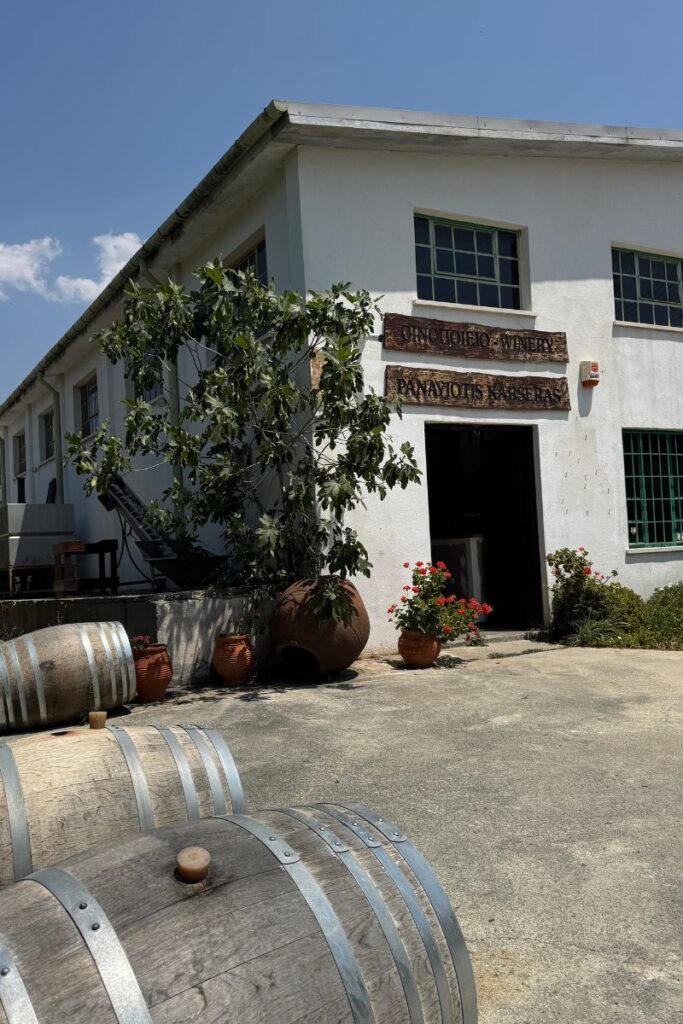


The sweet wine originates from the foothills of the Troodos Mountains where sun-drenched vines of the indigenous Xynisteri and Mavro grapes thrive without irrigation. After harvest, the grapes are laid out to dry in the sun, concentrating their sugars before slow fermentation, creating a naturally sweet, rich, oxidative wine using methods that have barely changed for centuries.
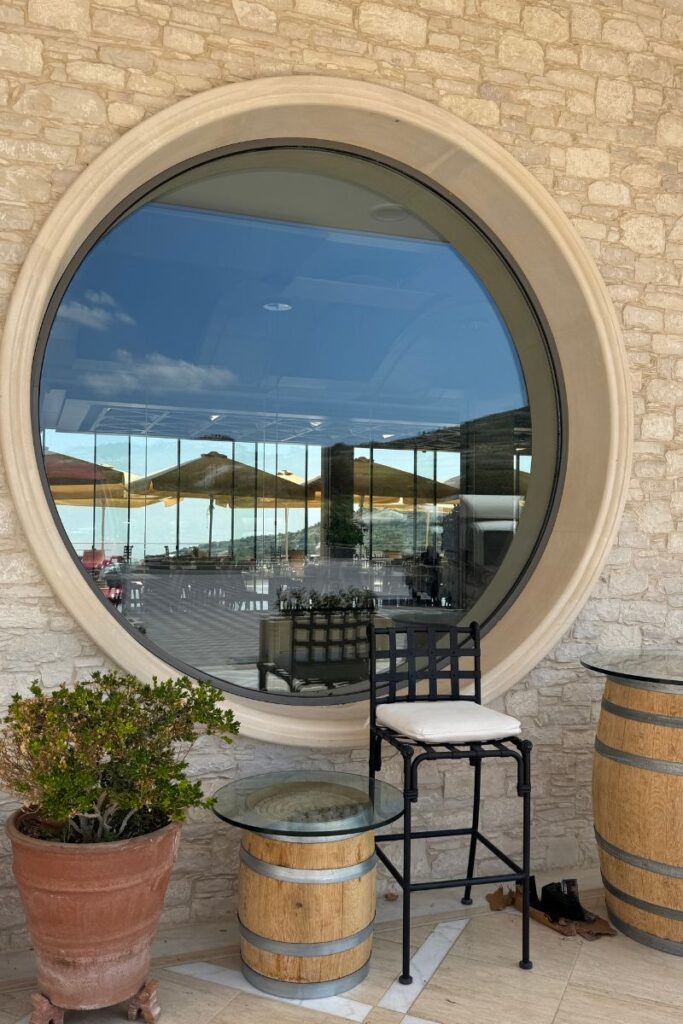
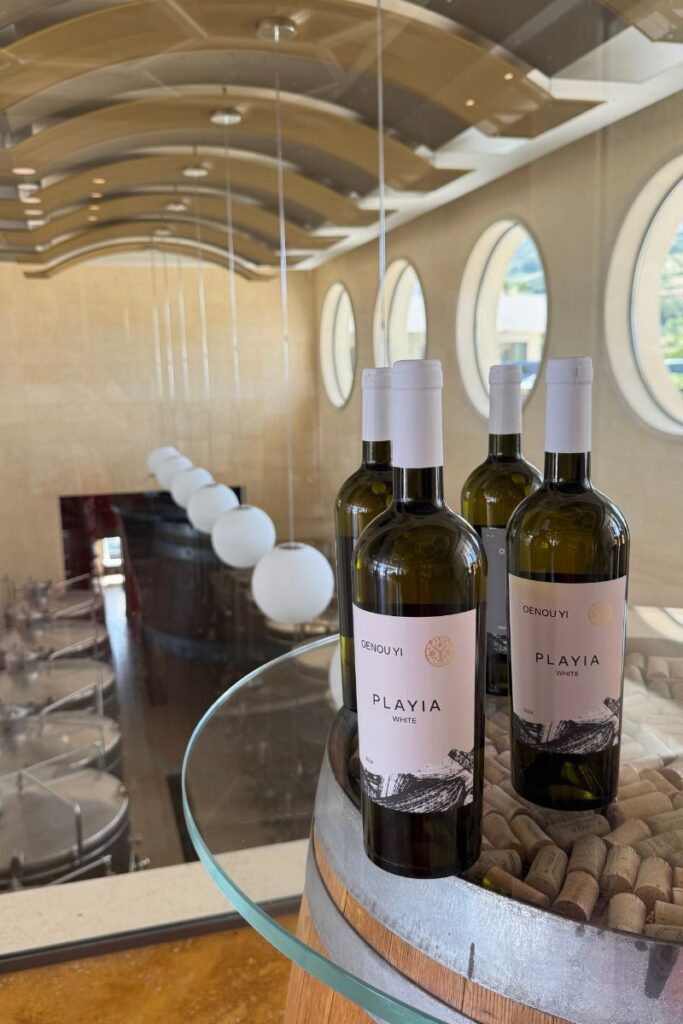
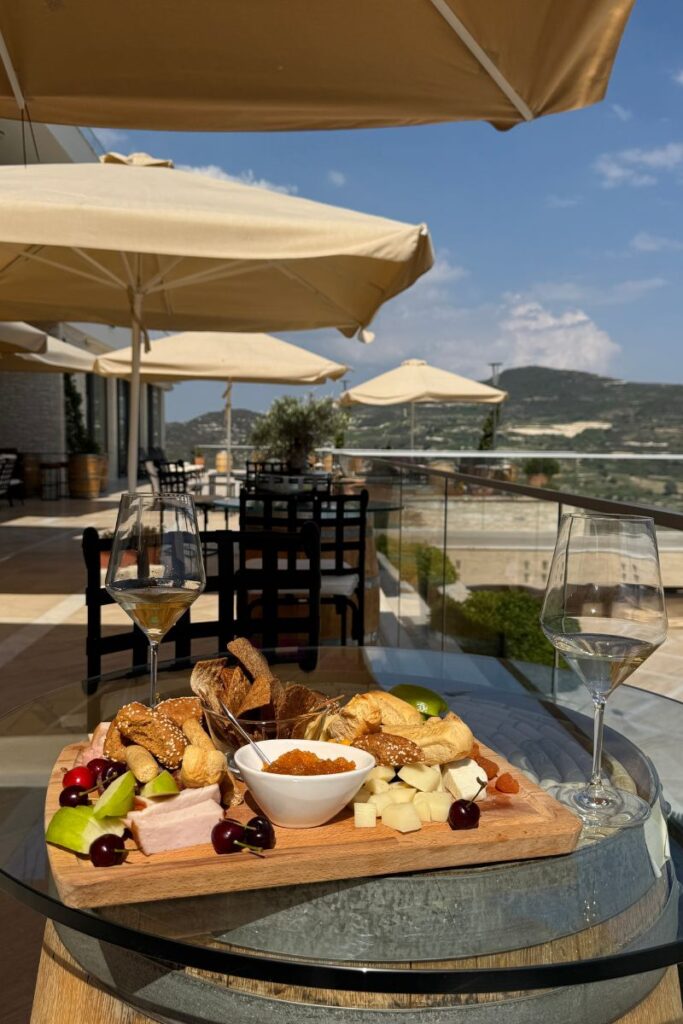
To accompany all this food, there is, of course, wine. Cyprus is home to seven wine-making regions, and if you’re staying in Limassol, a visit to Oenou Yi offers vineyard escapism at its best. This venue offers sweeping views towards the coast, generous platters of local meats and cheeses, and the kind of romantic wine tasting that could easily require a taxi back to the hotel.
If, like me, every holiday is a foodie holiday, Cyprus is a foodie mecca, waiting to show you all it has to offer. One thing is certain, you won’t leave hungry.
Article and images by @emmiebthere


